rental property investment calculator
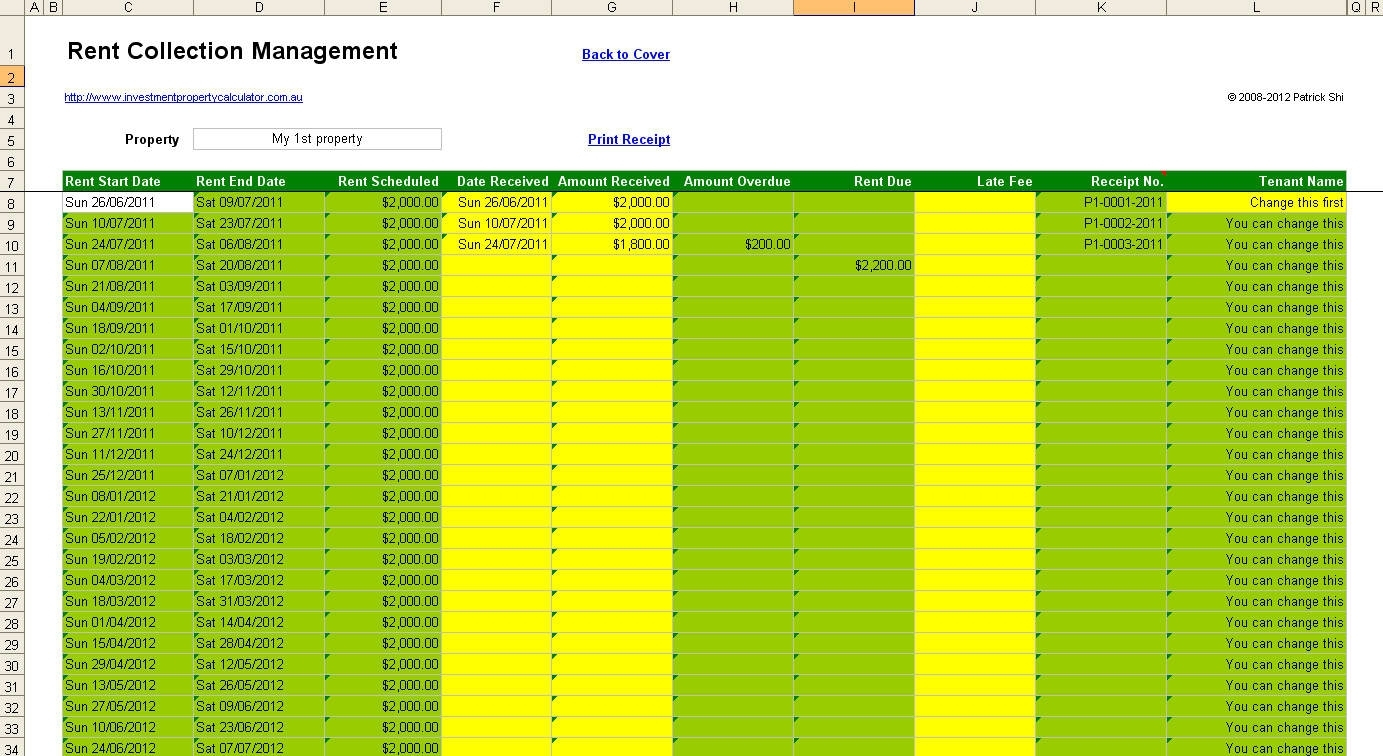
Ever felt like you were throwing darts in the dark when it came to figuring out if that rental property was actually a good investment? You’re not alone! Many aspiring landlords jump in headfirst, only to find themselves swimming in a sea of unexpected expenses and complicated calculations.
The struggle is real. Sorting through property taxes, insurance costs, potential repair bills, and vacancy rates can feel like deciphering a secret code. It's tough to get a clear picture of whether that seemingly perfect property will actually generate positive cash flow and a worthwhile return on investment. Without a solid understanding of these factors, the dream of passive income can quickly turn into a financial headache.
That's where a rental property investment calculator comes in! It's designed to help you analyze the potential profitability of a rental property by estimating key metrics like cash flow, return on investment (ROI), capitalization rate (cap rate), and more. It takes the guesswork out of the equation and provides a more informed basis for making investment decisions. Essentially, it's a tool that can help you determine if a rental property is a good deal or a money pit.
In short, a rental property investment calculator is your best friend when diving into the world of real estate investing. It helps you crunch the numbers, estimate potential returns, and ultimately decide if a property aligns with your financial goals. We'll explore what it is, how it works, why it's essential, and even some tips and tricks to get the most out of it. Get ready to become a smarter, more confident real estate investor! And remember, related keywords are cash flow, ROI, capitalization rate, and investment decisions.
Why Use a Rental Property Investment Calculator?
I remember the first time I considered buying a rental property. I was so excited by the prospect of passive income that I almost skipped the crucial step of analyzing the numbers. I found a property that looked great, in a desirable neighborhood, and figured it was a surefire win. Luckily, a more experienced friend urged me to use a rental property investment calculator before making an offer.
Using the calculator was eye-opening. It forced me to consider all the expenses I hadn't initially factored in, like property management fees (since I didn't want to handle day-to-day tasks), potential vacancy periods, and a realistic budget for repairs. The calculator also helped me estimate the potential rental income based on comparable properties in the area. The results weren't as rosy as I had initially imagined. While the property still had potential, it required a larger down payment and more careful management than I had anticipated to achieve my desired return. This experience taught me the invaluable lesson of thorough due diligence and the power of using a rental property investment calculator. It's not just about finding a "good deal"; it's about understanding the numbers and making informed decisions. Without using the calculator, I would have likely overpaid and underestimated the expenses, potentially leading to a stressful and unprofitable investment. Cash flow, ROI, capitalization rate, and investment decisions are keywords related.
What is a Rental Property Investment Calculator?
At its core, a rental property investment calculator is a software tool or spreadsheet designed to estimate the potential profitability and return on investment of a rental property. It takes various input factors related to the property, financing, and operating expenses, and uses them to calculate key metrics that are crucial for evaluating the investment's potential. These metrics typically include:
- Cash Flow: The amount of money left over each month after paying all expenses related to the property. A positive cash flow indicates that the property is generating income.
- Return on Investment (ROI): The percentage return on your initial investment, taking into account all income and expenses. A higher ROI generally indicates a more profitable investment.
- Capitalization Rate (Cap Rate): A rate of return that reflects the potential income a property can generate relative to its price. It's often used to compare the relative value of different properties.
- Gross Rental Yield: The annual rental income divided by the property's purchase price, expressed as a percentage.
- Operating Expenses: These include property taxes, insurance, property management fees, repairs, maintenance, and other costs associated with owning and operating the property.
By inputting accurate data into the calculator, investors can gain a clearer understanding of the financial implications of purchasing a specific rental property. This allows them to compare different investment opportunities, assess the risks involved, and make more informed decisions based on solid data. The keywords related are cash flow, ROI, capitalization rate, and investment decisions.
The History and Myths Surrounding Rental Property Investment Calculators
The concept of analyzing real estate investments is certainly not new. Before the advent of computers and sophisticated software, investors relied on manual calculations and spreadsheets to estimate potential returns. These methods were often time-consuming and prone to errors. The rise of personal computers and spreadsheet software like Microsoft Excel revolutionized the process, making it easier to organize data and perform complex calculations. However, even with these tools, the process still required a significant amount of manual effort.
The internet has truly transformed rental property investment analysis. Online calculators and specialized software platforms have emerged, offering user-friendly interfaces and automated calculations. These tools often integrate with property listing websites, providing easy access to data and allowing investors to quickly analyze multiple properties. Despite their increasing sophistication, some persistent myths surround these calculators. One common myth is that calculators can predict the future. While they provide valuable estimates based on current data, they cannot account for unforeseen events like major repairs, unexpected vacancy periods, or changes in market conditions.
Another myth is that all rental property investment calculators are created equal. The accuracy and reliability of the results depend heavily on the quality of the input data and the sophistication of the underlying algorithms. Some calculators may be overly simplistic or rely on outdated data, leading to inaccurate results. It is important to choose a reputable calculator and to verify the data it provides. Always do your own research and consult with professionals before making any investment decisions. Cash flow, ROI, capitalization rate, and investment decisions are keywords related.
The Hidden Secrets of Rental Property Investment Calculators
While rental property investment calculators are powerful tools, they also have limitations. One hidden secret is that the accuracy of the calculator's output depends heavily on the quality of the input data. If you underestimate expenses, overestimate rental income, or use unrealistic assumptions, the calculator will produce misleading results. Therefore, it's crucial to conduct thorough research and gather accurate data from reliable sources.
Another often overlooked aspect is the importance of considering qualitative factors that a calculator cannot quantify. These factors include the property's location, the quality of the neighborhood, the potential for appreciation, and the local rental market conditions. While a calculator can provide valuable insights into the financial aspects of the investment, it cannot assess the overall desirability of the property or the potential for long-term growth.
Furthermore, it's essential to understand the assumptions and limitations of the calculator you are using. Some calculators may use simplified models or make assumptions about certain expenses, such as vacancy rates or repair costs. Be aware of these assumptions and adjust your analysis accordingly. For example, if you are investing in an older property, you may need to increase your budget for repairs and maintenance to account for the potential for unexpected issues. Remember that a rental property investment calculator is just one tool in your arsenal. It should be used in conjunction with other research methods, such as market analysis, property inspections, and consultations with real estate professionals. Cash flow, ROI, capitalization rate, and investment decisions are keywords related.
Recommendations for Choosing a Rental Property Investment Calculator
With so many rental property investment calculators available, it can be challenging to choose the right one. Here are a few recommendations to help you make an informed decision. First, consider your needs and experience level. If you are a beginner, look for a calculator with a user-friendly interface and clear explanations of the input fields and output metrics. Some calculators offer tutorials and helpful resources to guide you through the process.
If you are a more experienced investor, you may prefer a calculator with advanced features and customizable options. Look for a calculator that allows you to input detailed information about the property, financing, and operating expenses. Also, consider whether the calculator integrates with other tools or platforms, such as property listing websites or financial management software. This can streamline the analysis process and save you time. Also, check user reviews and ratings to get an idea of the calculator's accuracy and reliability. Look for calculators that have been praised by other investors and real estate professionals. Be wary of calculators that have negative reviews or that seem too good to be true.
Finally, don't be afraid to try out a few different calculators before settling on one. Many calculators offer free trials or demo versions that allow you to test out the features and functionality before committing to a paid subscription. By following these recommendations, you can choose a rental property investment calculator that meets your needs and helps you make more informed investment decisions. Cash flow, ROI, capitalization rate, and investment decisions are keywords related.
Advanced Features of Rental Property Investment Calculators
Beyond the basic calculations, some rental property investment calculators offer advanced features that can provide even deeper insights into the potential profitability of a rental property. These features may include sensitivity analysis, which allows you to see how changes in key assumptions, such as rental income or expenses, can impact the overall return on investment. This can help you assess the risks involved in the investment and make more informed decisions. Another advanced feature is the ability to model different financing scenarios, such as different loan terms, interest rates, and down payment amounts. This can help you determine the optimal financing strategy for your investment. Some calculators also allow you to factor in tax implications, such as depreciation and mortgage interest deductions. This can provide a more accurate picture of the after-tax cash flow and return on investment.
Other advanced features may include the ability to track and manage your rental property portfolio, generate reports, and compare different investment opportunities. These features can be particularly useful for investors who own multiple rental properties or who are looking to expand their portfolio. Ultimately, the best rental property investment calculator is the one that meets your specific needs and helps you make more informed investment decisions. Take the time to research different calculators and choose one that has the features and functionality that are most important to you. Remember to always verify the data and assumptions used by the calculator and to consult with real estate professionals before making any investment decisions. Cash flow, ROI, capitalization rate, and investment decisions are keywords related.
Tips for Using a Rental Property Investment Calculator Effectively
To get the most out of your rental property investment calculator, here are a few tips to keep in mind. First, be sure to gather accurate data from reliable sources. This includes information about the property, financing, and operating expenses. Use recent data and avoid relying on outdated information. For example, research current rental rates in the area, check recent property tax assessments, and get quotes from insurance providers.
Second, be realistic about your assumptions. Don't overestimate rental income or underestimate expenses. It's better to be conservative in your estimates than to be overly optimistic. For example, assume a vacancy rate of at least 5% to account for periods when the property is vacant. Also, budget for repairs and maintenance, even if the property is in good condition. Third, use the calculator to compare different investment opportunities. Don't just analyze one property in isolation. Use the calculator to compare multiple properties and see which one offers the best potential return on investment. This will help you make a more informed decision and choose the most profitable investment. Fourth, be aware of the calculator's limitations. Remember that the calculator is just a tool. It cannot predict the future or account for unforeseen events. Use the calculator as a starting point for your analysis, but always do your own research and consult with real estate professionals before making any investment decisions. Cash flow, ROI, capitalization rate, and investment decisions are keywords related.
Common Mistakes to Avoid When Using a Rental Property Investment Calculator
Even with the best tools, it's easy to make mistakes when analyzing rental property investments. Here are some common errors to avoid. One common mistake is failing to account for all expenses. Be sure to include all operating expenses, such as property taxes, insurance, property management fees, repairs, maintenance, and utilities. Don't forget to factor in potential vacancy periods and the cost of advertising the property. Another mistake is using unrealistic assumptions about rental income. Research current rental rates in the area and use realistic estimates based on comparable properties. Don't assume that you will be able to charge the highest possible rent. A third mistake is ignoring the potential for appreciation. While cash flow is important, appreciation can also contribute significantly to your overall return on investment. Research the potential for appreciation in the area and factor it into your analysis. However, be careful not to overestimate appreciation, as it is not guaranteed. Finally, don't rely solely on the calculator's output. Use the calculator as a starting point for your analysis, but always do your own research and consult with real estate professionals before making any investment decisions. Cash flow, ROI, capitalization rate, and investment decisions are keywords related.
Fun Facts About Rental Property Investment Calculators
Did you know that the first rental property investment calculators were likely just simple spreadsheets created by hand? Before the widespread availability of computers, investors had to rely on manual calculations to estimate the profitability of rental properties. These spreadsheets were often complex and time-consuming to create, but they were essential for making informed investment decisions. In the early days of computers, rental property investment calculators were among the first applications developed for personal computers. These early calculators were often simple and lacked the advanced features of today's calculators, but they represented a significant step forward in the analysis of real estate investments.
Another fun fact is that some rental property investment calculators use artificial intelligence (AI) to predict rental income and expenses. These AI-powered calculators analyze vast amounts of data, such as property listings, rental rates, and market trends, to generate more accurate estimates of the potential profitability of a rental property. AI-powered calculators are still relatively new, but they are becoming increasingly popular among investors who are looking for an edge in the market. Another interesting fact is that the accuracy of a rental property investment calculator depends heavily on the quality of the data that is entered into the calculator. Garbage in, garbage out. If you enter inaccurate data, the calculator will produce inaccurate results. That's why it's so important to gather accurate data from reliable sources and to be realistic about your assumptions. Cash flow, ROI, capitalization rate, and investment decisions are keywords related.
How to Build Your Own Rental Property Investment Calculator
While there are many pre-built rental property investment calculators available online, some investors may prefer to build their own. This allows them to customize the calculator to their specific needs and to have complete control over the underlying calculations. Building your own rental property investment calculator can be a challenging but rewarding experience. The first step is to create a spreadsheet in a program like Microsoft Excel or Google Sheets. Start by listing all of the input factors that you want to include in the calculator, such as the property's purchase price, down payment amount, loan terms, interest rate, rental income, and operating expenses.
Next, create formulas to calculate the key metrics that you want to track, such as cash flow, ROI, capitalization rate, and gross rental yield. Use cell references to link the formulas to the input factors. This will allow you to easily update the calculations when you change the input factors. Once you have created the basic calculator, you can add more advanced features, such as sensitivity analysis, financing scenarios, and tax implications. You can also customize the calculator's appearance by adding formatting, charts, and graphs. Finally, be sure to test the calculator thoroughly to ensure that it is working correctly. Use sample data to verify that the calculations are accurate. Once you are satisfied with the calculator, you can share it with other investors or use it to analyze your own rental property investments. Cash flow, ROI, capitalization rate, and investment decisions are keywords related.
What If... Scenarios for Rental Property Investment Calculators
Rental property investment calculators are excellent tools for running "what if" scenarios. These scenarios allow you to see how changes in key assumptions can impact the overall profitability of a rental property. For example, what if you could increase the rental income by $100 per month? How would that affect the cash flow and ROI? What if the property taxes increased by 10%? How would that affect the bottom line? What if you had to pay for a major repair, such as a new roof? How would that affect the overall return on investment?
By running these "what if" scenarios, you can assess the risks involved in the investment and make more informed decisions. You can also use these scenarios to identify potential opportunities to increase the profitability of the property. For example, you might discover that you could significantly increase the cash flow by making some minor improvements to the property, such as updating the kitchen or bathroom. Or you might find that you could save money by refinancing the mortgage or by shopping around for a better insurance policy. The possibilities are endless. The key is to be creative and to think outside the box. Don't be afraid to experiment with different scenarios and see how they affect the numbers. By running "what if" scenarios, you can gain a deeper understanding of the potential profitability of a rental property and make more informed investment decisions. Cash flow, ROI, capitalization rate, and investment decisions are keywords related.
Listicle: Top 5 Mistakes to Avoid When Using a Rental Property Investment Calculator
1. Ignoring Vacancy: Failing to account for periods when the property is vacant. A general rule of thumb is to factor in at least 5%.
- Underestimating Repairs: Not budgeting enough for repairs and maintenance. Older properties will likely need more repairs.
- Overestimating Rent: Assuming you'll get top dollar for rent. Research comparable properties in the area.
- Forgetting Property Management: Neglecting to include property management fees if you plan to hire a property manager.
- Ignoring Property Taxes and Insurance: Overlooking these essential expenses can significantly impact your cash flow. Be sure to research property taxes and insurance rates in the area.
Avoiding these common mistakes can help you make more informed investment decisions. Cash flow, ROI, capitalization rate, and investment decisions are keywords related.
Question and Answer
Q: What if my rental property investment calculator has inputs I don't understand?
A: Don't be afraid to research or ask for help! Many calculators have built-in explanations, or you can find resources online. Understanding each input is crucial for accurate results.
Q: Can a rental property investment calculator guarantee my success?
A: No, it's a tool, not a crystal ball. It helps you analyze potential investments, but market conditions, unforeseen expenses, and your own management skills all play a role.
Q: Are free rental property investment calculators as good as paid ones?
A: It depends. Some free calculators are perfectly adequate, while others may be limited in features or accuracy. Paid calculators often offer more advanced functionalities and better support.
Q: How often should I update the information in my rental property investment calculator?
A: Regularly! Market conditions, rental rates, and expenses can change over time. Update the calculator at least annually, or more frequently if there are significant changes in your area.
Conclusion of Rental Property Investment Calculator
Rental property investment calculators are indispensable tools for anyone considering entering the world of real estate investing. They provide a framework for analyzing potential investments, estimating returns, and making informed decisions. While calculators cannot guarantee success, they can significantly improve your chances of finding profitable rental properties. Remember to use accurate data, be realistic about your assumptions, and consult with real estate professionals before making any investment decisions. With the right tools and knowledge, you can confidently navigate the world of rental property investing and achieve your financial goals. Good luck! And keep in mind, cash flow, ROI, capitalization rate, and investment decisions are your key to success.
Post a Comment