real estate investment website creation
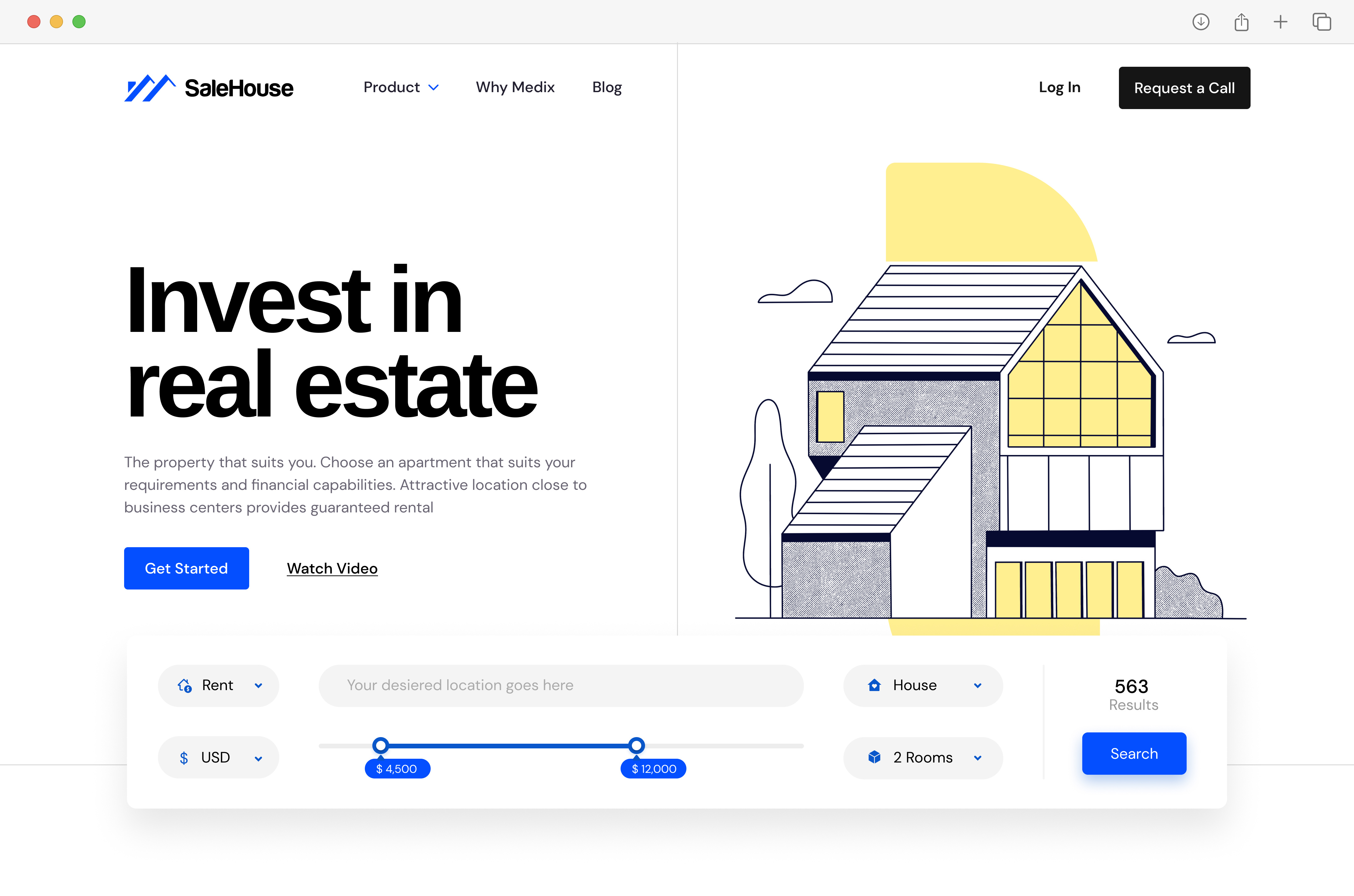
Imagine a world where your ideal investment property finds you, not the other way around. A world where you're not sifting through endless listings, but instead, have a curated selection tailored to your exact needs and desires. Sounds pretty good, right? Well, that vision starts with a powerful online presence – a real estate investment website.
Building a website can feel like navigating a maze filled with technical jargon and conflicting advice. Concerns about design, functionality, and attracting the right audience can quickly turn excitement into overwhelm. Many struggle to find the right tools and strategies to create a website that not only looks professional but also effectively generates leads and showcases investment opportunities.
The core purpose of a real estate investment website is to establish credibility, generate leads, showcase properties, and ultimately, facilitate successful real estate transactions. It acts as a central hub for investors, potential buyers, and anyone interested in learning more about your real estate ventures.
This article is about navigating the world of real estate investment website creation. We'll explore the key elements of a successful platform, from design principles to lead generation strategies. Think of keywords like property listings, investment opportunities, lead generation, website design, and real estate marketing. We'll delve into the steps required to build a site that not only looks great but also converts visitors into valuable leads.
Why You Need a Real Estate Investment Website
The overarching target of a real estate investment website is to establish a strong online presence, attract potential investors, showcase property listings, and facilitate lead generation, ultimately driving business growth in the real estate investment sector.
I remember when I first started in real estate, my "website" was basically a poorly formatted Facebook page. I quickly realized that wasn't cutting it. I wasn't taken seriously, and I was missing out on a huge pool of potential investors. The turning point came when I invested in a professionally designed website. Suddenly, I had a platform to showcase my expertise, highlight available properties with stunning visuals, and capture leads through targeted landing pages. The difference was night and day. Potential clients started seeing me as a serious player, and my deal flow increased significantly. A well-crafted website is more than just an online brochure; it's a powerful marketing tool that can transform your real estate investment business.
Beyond that initial impact, a website allows you to control your brand narrative. You can meticulously craft the message you want to convey, highlighting your unique selling points and building trust with your audience. You can share valuable content, such as market analyses and investment tips, further solidifying your position as a knowledgeable and reliable resource. This level of control and branding simply isn't possible with third-party platforms or social media alone. Moreover, search engine optimization (SEO) allows your website to be found by investors actively searching for opportunities in your area, creating a constant stream of qualified leads. Keywords like "real estate investing," "property management," and "investment properties" can help you rank higher in search results and attract the right traffic. It's about creating a lasting, authoritative online presence that works for you 24/7.
What is a Real Estate Investment Website?
A real estate investment website is a dedicated online platform specifically designed to market and showcase real estate investment opportunities. It serves as a central hub for potential investors to discover properties, analyze investment potential, and connect with real estate professionals.
Think of it as your digital storefront. It's where you present your properties with high-quality photos, detailed descriptions, and financial information. But it's more than just a listing site. It's a place to build trust by providing valuable content such as market reports, investment guides, and testimonials. You can use your website to highlight your expertise, showcase past successes, and demonstrate your understanding of the real estate market. Features like interactive maps, virtual tours, and ROI calculators can further enhance the user experience and provide valuable tools for potential investors. The key is to create a website that is informative, engaging, and easy to navigate. Potential investors should be able to find the information they need quickly and easily. A well-designed website can significantly improve your chances of attracting serious investors and closing deals.
Furthermore, a real estate investment website allows for targeted marketing campaigns. You can use data analytics to track website traffic, identify popular properties, and understand investor behavior. This information can then be used to refine your marketing strategies and tailor your message to specific audiences. For example, you might create separate landing pages for different types of investment properties, such as residential rentals, commercial real estate, or land development. You can also use email marketing to nurture leads and keep potential investors informed about new opportunities. By leveraging the power of digital marketing, you can reach a wider audience and generate more qualified leads. Ultimately, a real estate investment website is a powerful tool for building your brand, generating leads, and growing your real estate investment business. Incorporating keywords like "cash flow," "property valuation," and "real estate crowdfunding" can help you target the right audience and improve your search engine rankings.
The History and Myths of Real Estate Investment Websites
The history of real estate investment websites is intertwined with the evolution of the internet itself. Early iterations were often simple listings with basic information. However, as technology advanced, so did the sophistication of these platforms.
In the early days of the internet, real estate listings were primarily found in newspapers and physical brochures. The first real estate websites were clunky and difficult to navigate, offering limited information and grainy images. As internet speeds increased and web design tools became more sophisticated, real estate websites began to evolve. Interactive maps, virtual tours, and detailed property information became standard features. Today, a modern real estate investment website is a powerful marketing tool that can generate leads, showcase properties, and build brand awareness. One of the biggest myths surrounding real estate investment websites is that they are only for large companies with deep pockets. In reality, anyone can create a professional-looking website using affordable website builders and readily available online resources. Another common myth is that a website is all you need to succeed in real estate investment. While a website is an essential tool, it's important to remember that it's just one piece of the puzzle. You also need a strong marketing strategy, excellent customer service, and a solid understanding of the real estate market.
Furthermore, the narrative that "if you build it, they will come" is a dangerous myth to believe. Simply having a website is not enough. You need to actively promote your website through search engine optimization (SEO), social media marketing, and other online channels. Another misconception is that a real estate investment website needs to be overly complicated to be effective. In many cases, simplicity is key. A clean, well-organized website that is easy to navigate will provide a better user experience and generate more leads. Remember to focus on providing valuable content and showcasing your expertise. Share market insights, investment tips, and success stories to build trust and establish yourself as a thought leader in the real estate investment industry. By dispelling these myths and embracing the power of modern technology, you can create a real estate investment website that helps you achieve your business goals. Key terms to focus on include "online marketing," "real estate technology," and "digital branding" to ensure you are reaching your target audience.
The Hidden Secrets of Real Estate Investment Website Success
The most successful real estate investment websites aren't just pretty; they're meticulously crafted with a deep understanding of their target audience and a laser focus on achieving specific business goals. It goes beyond just listing properties; it's about creating an experience.
One of the biggest secrets is understanding the power of data. You need to track everything: website traffic, lead generation, conversion rates, and user behavior. Use analytics tools to identify what's working and what's not. Where are your visitors coming from? What pages are they spending the most time on? What are they clicking on? This data will give you valuable insights into how to optimize your website for better performance. Another hidden secret is the importance of storytelling. Don't just list the features of your properties; tell a compelling story that resonates with potential investors. Highlight the unique benefits, the potential for growth, and the lifestyle opportunities that your properties offer. Use high-quality photos and videos to create an emotional connection with your audience. People are more likely to invest in something they feel connected to.
Furthermore, don't underestimate the power of personalization. Use technology to personalize the user experience based on their browsing history and interests. Show them properties that match their specific criteria and provide them with relevant content. This will make them feel valued and increase the likelihood that they will convert into a lead. Finally, focus on building relationships. Your website should be a place where people can connect with you and your team. Provide contact information, social media links, and a blog where you can share your expertise and engage with your audience. Respond to inquiries promptly and provide excellent customer service. By focusing on building relationships, you can create a loyal following of investors who trust you and your brand. Keywords like "customer relationship management (CRM)," "lead nurturing," and "personal branding" are critical to building lasting relationships and driving long-term success. It's all about creating a website that is more than just a listing site; it's a platform for building trust, generating leads, and closing deals.
Recommendations for Building a Great Real Estate Investment Website
When it comes to building a successful real estate investment website, a strategic approach is key. It's not just about throwing up a few listings; it's about creating a platform that attracts, engages, and converts potential investors.
First and foremost, invest in a professional website design. Your website is your online storefront, and first impressions matter. A clean, modern, and user-friendly design will convey credibility and professionalism. Make sure your website is mobile-responsive, as most people will be accessing it from their smartphones or tablets. Secondly, focus on creating high-quality content. This includes detailed property descriptions, professional photos, and informative blog posts about the real estate market. Showcase your expertise and provide valuable insights to potential investors. Use keywords strategically throughout your content to improve your search engine rankings. Thirdly, implement a lead generation strategy. Use landing pages, opt-in forms, and calls to action to capture leads and build your email list. Offer valuable incentives, such as free reports or webinars, to encourage people to sign up. Nurture your leads with targeted email campaigns and provide them with valuable information that will help them make informed investment decisions.
Furthermore, integrate social media into your website. Make it easy for visitors to share your content on social media and follow your social media accounts. Use social media to promote your website and drive traffic to your listings. Monitor your website analytics and track your key performance indicators (KPIs). This will help you identify what's working and what's not, so you can make adjustments to your strategy. Finally, don't be afraid to experiment. Try new features, content formats, and marketing strategies to see what resonates with your audience. The real estate market is constantly evolving, so you need to be adaptable and willing to try new things. Remember, a great real estate investment website is a dynamic and ongoing project. By continuously improving and optimizing your website, you can stay ahead of the competition and attract more investors. Leverage keywords like "digital marketing strategy," "content marketing," and "social media marketing" to ensure a comprehensive and effective online presence.
Key Elements of a High-Converting Real Estate Investment Website
A high-converting real estate investment website focuses not only on aesthetics but also on functionality and user experience. These elements work together to attract, engage, and ultimately convert visitors into valuable leads.
Firstly, clear and compelling calls to action (CTAs) are essential. Every page should have a clear call to action that tells visitors what you want them to do next. This could be "Contact Us," "View Properties," or "Download Our Free Report." Make sure your CTAs are visually prominent and easy to find. Secondly, high-quality property listings are crucial. Your property listings should include detailed descriptions, professional photos, and virtual tours. Highlight the key features and benefits of each property, and make it easy for visitors to request more information or schedule a showing. Thirdly, an intuitive website navigation is a must-have. Your website should be easy to navigate and user-friendly. Visitors should be able to find the information they need quickly and easily. Use clear and concise menus and submenus, and make sure your website is mobile-responsive.
Moreover, testimonials and social proof can significantly enhance your website's credibility. Include testimonials from satisfied clients and showcase your past successes. This will help build trust and encourage potential investors to work with you. Furthermore, incorporate a blog with valuable content. Use your blog to share market insights, investment tips, and success stories. This will help establish you as a thought leader in the real estate investment industry and attract more visitors to your website. Ensure your website is optimized for search engines (SEO). Use relevant keywords throughout your content and optimize your website's meta tags and descriptions. This will help your website rank higher in search results and attract more organic traffic. By focusing on these key elements, you can create a high-converting real estate investment website that generates leads and drives business growth. Keywords like "conversion optimization," "user experience (UX)," and "search engine optimization (SEO)" are vital to achieving optimal results.
Tips for Optimizing Your Real Estate Investment Website
Optimizing your real estate investment website is an ongoing process. The digital landscape is constantly evolving, and your website needs to adapt to stay ahead of the curve. Regularly review and update your website to ensure it's performing at its best.
First, conduct regular website audits. Use tools like Google Analytics to track your website's performance and identify areas for improvement. Pay attention to metrics like traffic, bounce rate, and conversion rate. Secondly, optimize your website for mobile devices. As mentioned earlier, more and more people are accessing the internet from their smartphones and tablets. Make sure your website is mobile-responsive and provides a seamless user experience on all devices. Thirdly, improve your website's loading speed. A slow-loading website can frustrate visitors and cause them to leave. Optimize your images, minimize your code, and use a content delivery network (CDN) to improve your website's loading speed.
Furthermore, refresh your content regularly. Keep your property listings up-to-date and add new content to your blog on a regular basis. This will keep your website fresh and engaging, and it will also improve your search engine rankings. Utilize A/B testing to experiment with different website elements and see what works best. Test different headlines, calls to action, and images to see which ones generate the most leads. Embrace video marketing to showcase your properties and connect with potential investors on a more personal level. Create virtual tours, property walk-throughs, and testimonials from satisfied clients. Finally, stay up-to-date with the latest web design trends and technologies. The internet is constantly evolving, so you need to stay informed about the latest trends and technologies to ensure your website remains competitive. Keywords like "website analytics," "mobile optimization," and "video marketing" are essential for driving continuous improvement.
The Importance of High-Quality Visuals
Visuals play a pivotal role in attracting and engaging visitors on your real estate investment website. High-quality images and videos can capture attention, convey information effectively, and create a lasting impression.
Firstly, professional photography is a must-have for your property listings. Invest in professional photos that showcase the best features of each property. Use wide-angle lenses to capture the entire space and ensure your photos are well-lit and properly staged. Secondly, virtual tours can provide potential investors with a realistic view of your properties. Virtual tours allow visitors to explore your properties from the comfort of their own homes, and they can significantly increase engagement and lead generation. Thirdly, videos are a powerful tool for showcasing your expertise and building trust. Create videos that share market insights, investment tips, and success stories. Use videos to introduce yourself and your team, and to connect with potential investors on a more personal level.
Moreover, infographics can be used to present complex data in a visually appealing and easy-to-understand format. Use infographics to illustrate market trends, investment opportunities, and the benefits of working with you. Furthermore, optimize your images for web use. Large images can slow down your website's loading speed, so it's important to optimize them for web use. Use tools like Adobe Photoshop or Tiny PNG to compress your images without sacrificing quality. Ensure your images are properly tagged with alt text. Alt text is used by search engines to understand what your images are about, and it can also improve your website's accessibility. By investing in high-quality visuals, you can create a more engaging and effective real estate investment website that attracts and converts more visitors. Keywords like "visual content," "property photography," and "video production" are crucial for creating a visually appealing and effective website.
Fun Facts About Real Estate Investment Website Creation
Did you know that the first real estate website appeared way back in the early 1990s? The internet has come a long way since then, and so have real estate websites!
One fun fact is that the average person spends less than 15 seconds on a website before deciding whether to stay or leave. That's why it's so important to make a good first impression with your website design and content. Another fun fact is that websites with high-quality images and videos are more likely to attract and engage visitors. People are visual creatures, and they are more likely to pay attention to content that is visually appealing. A surprising fact is that mobile devices account for over half of all website traffic. This means that your website needs to be mobile-responsive and provide a seamless user experience on all devices.
Furthermore, A/B testing can significantly improve your website's conversion rate. By testing different website elements, you can identify what works best and optimize your website for better performance. It's also interesting that personalized content can increase engagement and lead generation. By tailoring your content to the specific interests of your visitors, you can make them feel valued and increase the likelihood that they will convert into a lead. Website accessibility is important for ensuring that your website is usable by everyone, including people with disabilities. By following accessibility guidelines, you can create a website that is inclusive and accessible to all. These fun facts highlight the importance of creating a well-designed, user-friendly, and visually appealing real estate investment website. Keywords like "website design trends," "user experience (UX)," and "accessibility" are essential for creating a website that is both fun and effective.
How to Create a Real Estate Investment Website
Creating a real estate investment website might seem daunting, but with the right tools and a step-by-step approach, it's definitely achievable. Let's break down the process into manageable steps.
First, choose a domain name that is relevant to your business and easy to remember. Your domain name is your online identity, so it's important to choose one that reflects your brand. Secondly, select a website hosting provider that offers reliable service and adequate storage space. Your website hosting provider will be responsible for storing your website's files and ensuring that it is accessible to visitors. Thirdly, choose a website builder that is user-friendly and offers the features you need. There are many different website builders available, so it's important to choose one that fits your needs and budget. Popular options include Word Press, Wix, and Squarespace.
Furthermore, design your website with a clear and compelling layout. Your website design should be clean, modern, and user-friendly. Make sure your website is easy to navigate and that visitors can find the information they need quickly and easily. After that, create high-quality content that showcases your properties and expertise. Your content should be informative, engaging, and visually appealing. Use professional photos and videos to highlight the best features of each property. Remember to implement a lead generation strategy to capture leads and build your email list. Use landing pages, opt-in forms, and calls to action to encourage visitors to sign up. Finally, promote your website through search engine optimization (SEO) and social media marketing. Keywords like "website development," "content creation," and "lead generation" are vital for creating and promoting a successful real estate investment website. It's all about building a strong online presence that attracts and converts potential investors.
What If...? Exploring Scenarios in Real Estate Investment Website Creation
Let's explore some "what if" scenarios related to creating a real estate investment website. Thinking through these possibilities can help you prepare for potential challenges and make informed decisions.
What if you don't have any web design experience? In this case, you can hire a professional web designer or use a user-friendly website builder like Wix or Squarespace. These platforms offer drag-and-drop interfaces that make it easy to create a professional-looking website without any coding knowledge. What if you don't have high-quality photos of your properties? Invest in professional photography services or rent a high-quality camera and learn how to take your own photos. Good photos are essential for attracting potential investors. What if you don't have time to create content for your website? Hire a freelance writer or content marketing agency to create engaging and informative content for you. Consistent content creation is important for attracting visitors and improving your search engine rankings.
Furthermore, what if you don't have a budget for paid advertising? Focus on organic search engine optimization (SEO) and social media marketing. These strategies can help you attract visitors to your website without spending any money on advertising. What if you're not getting any leads from your website? Review your website's design and content to make sure it's user-friendly and provides valuable information to potential investors. Also, review your lead generation strategy and make sure you're using effective calls to action. Finally, what if your website is hacked? Implement security measures to protect your website from hackers. Use strong passwords, install security plugins, and keep your website software up-to-date. By considering these "what if" scenarios, you can be better prepared to overcome any challenges that may arise during the website creation process. Keywords like "risk management," "website security," and "content strategy" are important for mitigating potential problems and ensuring a successful website launch.
Listicle: Top 5 Must-Have Features for a Real Estate Investment Website
Let's condense the key elements into a handy listicle – the top 5 must-have features for a real estate investment website that truly shines.
1. High-Quality Property Listings: Detailed descriptions, professional photos, and virtual tours are essential for showcasing your properties and attracting potential investors.
2. Lead Capture Forms: Use landing pages and opt-in forms to capture leads and build your email list. Offer valuable incentives, such as free reports or webinars, to encourage people to sign up.
3. Blog with Informative Content: Share market insights, investment tips, and success stories to establish yourself as a thought leader in the real estate investment industry.
4. Mobile-Responsive Design: Ensure your website is mobile-responsive and provides a seamless user experience on all devices.
5. Contact Information and Social Media Links: Make it easy for visitors to contact you and connect with you on social media. Include a contact form, phone number, and email address on your website.
These five features are the foundation of a successful real estate investment website. By focusing on these key elements, you can create a website that attracts, engages, and converts potential investors. Keywords like "website features," "lead generation," and "mobile design" are crucial for building a high-performing website that drives business growth.
Question and Answer Section about Real Estate Investment Website Creation
Let's address some frequently asked questions about creating a real estate investment website to clarify any lingering doubts.
Q: How much does it cost to build a real estate investment website?
A: The cost can vary depending on your needs and budget. You can build a basic website for a few hundred dollars using a website builder, or you can hire a professional web designer for several thousand dollars.
Q: How long does it take to build a real estate investment website?
A: The timeline can also vary depending on the complexity of your website. You can build a basic website in a few days using a website builder, or it can take several weeks or months to build a custom website.
Q: Do I need to know how to code to build a real estate investment website?
A: No, you don't need to know how to code. There are many user-friendly website builders available that allow you to create a professional-looking website without any coding knowledge.
Q: How do I promote my real estate investment website?
A: You can promote your website through search engine optimization (SEO), social media marketing, email marketing, and paid advertising.
Conclusion of real estate investment website creation
Creating a real estate investment website is a crucial step for establishing a strong online presence, generating leads, and showcasing your expertise. By following the tips and recommendations outlined in this article, you can build a website that attracts potential investors, drives business growth, and ultimately, helps you achieve your real estate investment goals. Remember to focus on creating high-quality content, implementing a lead generation strategy, and optimizing your website for search engines. Good luck!
Post a Comment