real estate investment risk assessment
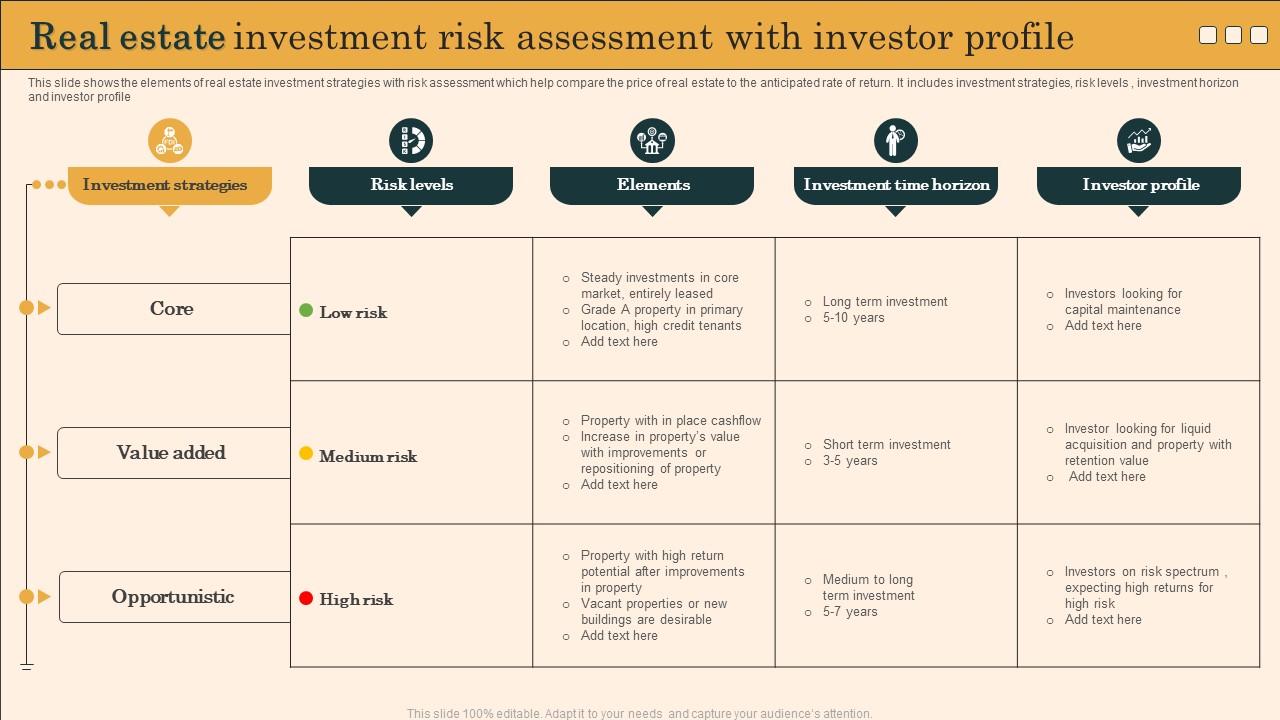
So, you're thinking about diving into the world of real estate investing? That's fantastic! But before you jump in headfirst, let's talk about something crucial: understanding and managing the potential bumps in the road.
Investing in property can feel overwhelming at times. The sheer number of variables – market fluctuations, property conditions, tenant issues, economic downturns – can leave you feeling like you're navigating a minefield. It's enough to make anyone question whether the potential rewards are worth the possible setbacks.
Real estate investment risk assessment aims to help you navigate these uncertainties. It's about understanding the potential downsides and creating strategies to mitigate them so that you can make informed decisions.
This article is a deep dive into real estate investment risk assessment. We'll cover what it is, why it's important, common risks, and how to manage them. By the end, you'll have a better understanding of how to protect your investments and make smart choices. We will touch upon topics such as market analysis, property due diligence, financial risks, legal considerations, and strategies for minimizing potential losses. Think of this as your guide to navigating the complexities of real estate investing with confidence.
Understanding Market Risks
Market risks are a significant part of real estate investment risk assessment. These risks are the factors that can impact the overall real estate market and, consequently, the value of your investment. One chilly November, I decided to sell a condo I owned near a major tech company. The market had been booming for years, and everyone was predicting continued growth. I listed the condo at what I thought was a fair price, expecting a quick sale. Instead, I faced a frustrating reality. The tech company announced layoffs, and suddenly, the demand for housing in the area plummeted. Open houses were empty, and the few offers I received were significantly lower than my asking price. I ended up holding onto the property for another year, waiting for the market to recover, losing potential profit in the process. That experience taught me a valuable lesson about the importance of understanding and accounting for market risks when investing in real estate.
Market risk encompasses various factors, including economic downturns, changes in interest rates, shifts in demographics, and even unforeseen events like pandemics or natural disasters. Understanding these risks involves staying informed about economic trends, analyzing local market data, and considering the potential impact of external factors on property values and rental income. For instance, a sudden increase in interest rates can make mortgages more expensive, reducing buyer demand and potentially leading to a decline in property prices. Similarly, a major employer leaving an area can result in job losses and decreased population, negatively impacting rental demand and property values. To mitigate market risks, investors should diversify their portfolios by investing in different locations and property types, conduct thorough market research before making any investment decisions, and be prepared to adjust their strategies as market conditions change. It's also essential to have a long-term perspective, as real estate markets tend to fluctuate over time, and patience is often key to weathering market downturns.
What is Real Estate Investment Risk Assessment?
Real estate investment risk assessment is a systematic process of identifying, analyzing, and evaluating the potential risks associated with a real estate investment. It involves considering a wide range of factors that could negatively impact the financial performance of a property or portfolio. The goal is to help investors make informed decisions, minimize potential losses, and maximize returns. Risk assessment is not about eliminating all risks – that’s often impossible. Instead, it’s about understanding the risks involved and developing strategies to manage them effectively.
The assessment typically starts with identifying potential risks, which can include market risks, financial risks, property-specific risks (like maintenance or environmental issues), and legal or regulatory risks. Once these risks have been identified, the next step is to analyze them by assessing their probability of occurring and the potential impact if they do occur. This analysis helps investors prioritize the most significant risks and allocate resources accordingly. Finally, the evaluation phase involves developing strategies to mitigate or manage these risks. This could involve obtaining insurance, diversifying investments, conducting thorough due diligence, or negotiating favorable lease terms. In essence, real estate investment risk assessment is a crucial part of due diligence, ensuring that investors are aware of the potential challenges and have a plan to address them. By taking a proactive approach to risk management, investors can increase their chances of success and protect their investments from unforeseen circumstances.
The History and Myth of Real Estate Investment Risk Assessment
The concept of assessing risk in real estate is not new, but its formalization as a structured process is a relatively recent development. Historically, real estate investing relied heavily on intuition, local knowledge, and personal relationships. While these factors still play a role, the increasing complexity of the market and the growing availability of data have led to a more analytical approach to risk assessment. Early forms of risk assessment primarily focused on basic financial ratios, such as loan-to-value and debt service coverage ratios, to determine the financial viability of a project. Over time, as financial models became more sophisticated, investors began incorporating more detailed market analysis, demographic data, and sensitivity analysis into their risk assessments.
One common myth is that real estate is always a safe investment. While real estate can offer stable returns over the long term, it is not immune to risk. Market fluctuations, economic downturns, and unforeseen events can all negatively impact property values and rental income. Another myth is that you can eliminate all risks by doing your research. While thorough due diligence can certainly reduce risk, it is impossible to eliminate it entirely. There will always be some level of uncertainty, and investors need to be prepared to manage those risks. Today, real estate investment risk assessment involves a combination of qualitative and quantitative analysis, utilizing a wide range of data sources and analytical tools. Sophisticated investors use scenario planning, stress testing, and Monte Carlo simulations to assess the potential impact of various risks on their investments. Furthermore, the rise of proptech and data analytics has made it easier to access and analyze market data, allowing investors to make more informed decisions. As the real estate market continues to evolve, risk assessment will undoubtedly become an even more crucial part of the investment process.
The Hidden Secrets of Real Estate Investment Risk Assessment
One of the best-kept secrets of real estate investment risk assessment is that it’s not just about avoiding losses; it’s also about identifying opportunities. By thoroughly assessing risks, you can uncover undervalued properties, identify emerging markets, and negotiate better deals. It's about looking beyond the surface to understand the underlying factors that drive property values and rental income.
Another secret is that effective risk assessment requires a deep understanding of local market dynamics. National trends can be informative, but real estate is ultimately a local game. Factors like neighborhood demographics, zoning regulations, infrastructure development, and local economic conditions can all significantly impact property values and investment returns. This is where networking and building relationships with local experts – such as real estate agents, property managers, and contractors – can be invaluable. They can provide insights that you won’t find in any report or database. Furthermore, successful risk assessment involves continuous monitoring and adaptation. The real estate market is constantly changing, and what was true yesterday may not be true today. Investors need to stay informed about market trends, economic conditions, and regulatory changes, and be prepared to adjust their strategies accordingly. This requires a proactive approach to risk management, rather than a one-time assessment. Finally, remember that risk assessment is not a substitute for good management. Even the most carefully analyzed investment can fail if it’s not properly managed. This means having a solid business plan, effective property management, and a proactive approach to tenant relations. By combining thorough risk assessment with sound management practices, investors can significantly increase their chances of success in the real estate market. The hidden secret, therefore, is that risk assessment is not just a defensive tool; it's a strategic asset.
Recommendations for Real Estate Investment Risk Assessment
If you're serious about real estate investing, I strongly recommend incorporating a structured risk assessment process into your due diligence. Start by defining your investment goals and risk tolerance. What are you hoping to achieve with your investments, and how much risk are you willing to take to achieve those goals? This will help you prioritize the risks that are most relevant to your specific situation.
Next, develop a comprehensive checklist of potential risks to consider. This should include market risks, financial risks, property-specific risks, and legal or regulatory risks. For each risk, assess its probability of occurring and the potential impact if it does occur. This will help you prioritize the most significant risks and allocate resources accordingly. Consider using a risk assessment matrix or scorecard to quantify and compare different risks. This can help you make more objective decisions and track your progress over time. Remember that risk assessment is not a one-size-fits-all process. You may need to customize your approach based on the specific property, market, and investment strategy. Don't be afraid to seek professional advice from real estate experts, financial advisors, or legal counsel. They can provide valuable insights and help you identify risks that you may have overlooked. Also, regularly review and update your risk assessment as market conditions and your investment strategy change. This will help you stay ahead of potential problems and make informed decisions. Finally, don't let fear of risk paralyze you. Real estate investing always involves some level of risk, but by understanding and managing those risks, you can increase your chances of success. The key is to be prepared, proactive, and disciplined in your approach. By following these recommendations, you can make more informed decisions, minimize potential losses, and maximize your returns in the real estate market.
Specific Risk Factors to Consider
Delving deeper into specific risk factors is essential for a thorough risk assessment. Let's consider a few examples. Environmental risks, such as soil contamination or asbestos, can lead to costly remediation efforts and legal liabilities. Performing environmental due diligence, including Phase I and Phase II environmental site assessments, is crucial for identifying and mitigating these risks. Location risks, such as proximity to industrial areas, high crime rates, or lack of amenities, can negatively impact property values and rental income. Conducting thorough market research and visiting the property at different times of day can help you assess these risks. Tenant risks, such as vacancy rates, rent defaults, and property damage, can significantly impact your cash flow. Screening tenants thoroughly, maintaining good tenant relations, and having a solid lease agreement can help mitigate these risks.
Financial risks, such as high debt levels, variable interest rates, and negative cash flow, can jeopardize your investment. Maintaining a healthy debt-to-equity ratio, securing fixed-rate financing, and ensuring positive cash flow are crucial for managing these risks. Legal and regulatory risks, such as zoning changes, building code violations, and landlord-tenant disputes, can lead to costly legal battles and financial penalties. Conducting thorough legal due diligence, complying with all applicable laws and regulations, and maintaining good relationships with local authorities can help mitigate these risks. By considering these specific risk factors and developing strategies to manage them, investors can significantly reduce their exposure to potential losses and increase their chances of success in the real estate market. Remember that risk assessment is not just about identifying potential problems; it's also about finding solutions and taking proactive steps to protect your investments.
Tips for Effective Real Estate Investment Risk Assessment
One of the most effective tips for real estate investment risk assessment is to be objective and avoid emotional decision-making. It’s easy to get caught up in the excitement of a potential deal, but it’s crucial to remain grounded and focus on the facts. Rely on data, analysis, and expert advice rather than gut feelings or wishful thinking.
Another valuable tip is to conduct thorough due diligence. This involves investigating all aspects of the property, including its physical condition, financial performance, legal status, and environmental history. Don't rely solely on information provided by the seller or their agents. Conduct independent research and verify all claims. Consider hiring a professional inspector to assess the property's physical condition and identify any potential problems. Also, review the property's title history to ensure there are no liens, encumbrances, or other legal issues. Furthermore, it's essential to understand your local market. Real estate markets can vary significantly from one area to another, so it's crucial to be familiar with local trends, demographics, and economic conditions. Attend local real estate events, read industry publications, and network with local professionals to stay informed. Also, don't be afraid to walk away from a deal if the risks are too high. It's better to miss out on a potentially profitable investment than to lose money on a bad one. Be disciplined in your approach and stick to your investment criteria. Finally, remember that risk assessment is an ongoing process. You need to regularly monitor your investments and adjust your strategies as market conditions change. By following these tips, you can improve your ability to identify and manage risks, and increase your chances of success in the real estate market.
Understanding Financial Ratios
Financial ratios are powerful tools for assessing the financial health of a real estate investment. Let’s delve into a few key ratios and how they can inform your risk assessment. The Loan-to-Value (LTV) ratio measures the amount of debt relative to the property's value. A high LTV ratio indicates higher leverage, which can increase risk but also potentially boost returns. However, it also means you have less equity in the property, making you more vulnerable to market downturns. The Debt Service Coverage Ratio (DSCR) measures the ability of the property to cover its debt payments. A DSCR of less than 1 indicates that the property is not generating enough income to cover its debt obligations, which can lead to financial distress.
The Capitalization Rate (Cap Rate) measures the property's potential rate of return based on its net operating income (NOI). A higher cap rate generally indicates a higher potential return, but it can also indicate higher risk. It's essential to compare cap rates for similar properties in the same market to determine if a property is fairly valued. The Operating Expense Ratio (OER) measures the percentage of revenue that is consumed by operating expenses. A high OER can indicate poor management or excessive expenses, which can negatively impact the property's profitability. By analyzing these financial ratios, investors can gain valuable insights into the financial health of a real estate investment and make more informed decisions. Remember that financial ratios are just one piece of the puzzle, and they should be considered in conjunction with other factors, such as market conditions, property characteristics, and management quality. However, they can provide a useful framework for assessing risk and comparing different investment opportunities.
Fun Facts About Real Estate Investment Risk Assessment
Did you know that professional real estate investors often use sophisticated software and data analytics tools to assess risk? These tools can help them analyze market trends, identify undervalued properties, and predict future performance. It's not just about gut feelings; it's about using data to make informed decisions.
Another fun fact is that some investors use geographic information systems (GIS) to map out potential risks, such as flood zones, earthquake fault lines, and areas with high crime rates. This allows them to visually assess the risks associated with a particular property and make more informed decisions. Furthermore, the insurance industry plays a crucial role in real estate investment risk assessment. Insurance companies assess the risks associated with insuring a property and set premiums accordingly. This can provide valuable insights into the potential risks associated with a particular property. For example, if a property is located in a flood zone, the flood insurance premiums will be higher, indicating a higher risk of flooding. Also, there's a growing trend toward using artificial intelligence (AI) and machine learning to improve real estate investment risk assessment. AI algorithms can analyze vast amounts of data and identify patterns that humans might miss. This can help investors make more accurate predictions and identify potential risks before they become problems. Finally, real estate investment risk assessment is not just for big investors. Even small investors can benefit from taking a structured approach to risk management. By understanding the potential risks and developing strategies to mitigate them, small investors can increase their chances of success and protect their investments.
How to Conduct a Real Estate Investment Risk Assessment
The first step in conducting a real estate investment risk assessment is to define your investment objectives. What are you hoping to achieve with your investments, and what is your risk tolerance? This will help you prioritize the risks that are most relevant to your specific situation. Are you looking for steady cash flow, long-term appreciation, or a combination of both? Are you willing to take on more risk for the potential of higher returns, or do you prefer a more conservative approach?
Next, gather data on the property, the market, and the economic environment. This includes information on the property's physical condition, financial performance, legal status, environmental history, and market trends. Use a variety of sources, such as property records, market reports, economic forecasts, and expert opinions. Then, identify the potential risks associated with the investment. This should include market risks, financial risks, property-specific risks, and legal or regulatory risks. Consider the probability of each risk occurring and the potential impact if it does occur. Prioritize the risks based on their severity and likelihood. For each significant risk, develop a mitigation strategy. This could involve obtaining insurance, conducting repairs, negotiating better lease terms, or diversifying your investments. Implement your mitigation strategies and monitor the results. Regularly review and update your risk assessment as market conditions and your investment strategy change. By following these steps, you can conduct a thorough and effective real estate investment risk assessment and make more informed investment decisions. Remember that risk assessment is not a one-time event, but an ongoing process that should be integrated into your investment strategy.
What If Real Estate Investment Risk Assessment?
What if you choose to ignore real estate investment risk assessment altogether? The consequences can be severe. Without a clear understanding of the potential risks, you're essentially flying blind, increasing your chances of making costly mistakes and losing money. Imagine investing in a property without conducting proper due diligence, only to discover later that it has significant structural problems or environmental contamination. The costs of repairing these issues could wipe out your profits and even leave you with a loss.
Or, consider investing in a market without understanding the local economic conditions. If the market is declining or oversupplied, you may struggle to find tenants or sell the property at a reasonable price. Without a risk assessment, you're also more likely to overpay for a property or accept unfavorable lease terms. This can significantly reduce your returns and make it harder to achieve your investment goals. Furthermore, ignoring risk assessment can lead to emotional decision-making. If you're not aware of the potential risks, you may panic when faced with unexpected challenges, such as a market downturn or a tenant default. This can lead to impulsive decisions that can further damage your investment. In the worst-case scenario, ignoring risk assessment can lead to financial ruin. If you're heavily leveraged and face a significant loss, you may be unable to meet your debt obligations, leading to foreclosure or bankruptcy. Therefore, real estate investment risk assessment is not just a nice-to-have; it's a necessity. By taking the time to understand the potential risks and develop strategies to mitigate them, you can significantly increase your chances of success and protect your financial well-being.
Listicle of Real Estate Investment Risk Assessment
Here's a quick list of key things to remember about real estate investment risk assessment:
1. Always define your investment objectives and risk tolerance before investing.
2. Conduct thorough due diligence on every property you consider.
3. Understand the local market and economic conditions.
4. Identify potential risks, including market risks, financial risks, property-specific risks, and legal or regulatory risks.
5. Assess the probability and impact of each risk.
6. Develop mitigation strategies for significant risks.
7. Monitor your investments regularly and adjust your strategies as needed.
8. Don't be afraid to seek professional advice.
9. Stay objective and avoid emotional decision-making.
10. Remember that risk assessment is an ongoing process.
By following these guidelines, you can significantly improve your ability to identify and manage risks and increase your chances of success in the real estate market. Remember that real estate investing always involves some level of risk, but by being prepared, proactive, and disciplined, you can minimize your exposure and achieve your financial goals.
Question and Answer
Q: What is the biggest risk in real estate investing?
A: That's a tough one, as it depends on the specific investment and market conditions. However, market risk – the potential for property values to decline due to economic downturns or other factors – is often cited as a major concern.
Q: How can I reduce my risk in real estate investing?
A: Diversification is key. Don't put all your eggs in one basket. Invest in different locations, property types, and investment strategies. Also, conduct thorough due diligence and seek professional advice.
Q: Is real estate a safe investment?
A: Real estate can be a relatively stable investment, especially over the long term. However, it's not risk-free. Market fluctuations, economic conditions, and unforeseen events can all impact property values and returns. It's essential to understand the risks and manage them effectively.
Q: What are some common mistakes to avoid in real estate investing?
A: Some common mistakes include overpaying for a property, failing to conduct proper due diligence, underestimating expenses, and relying on emotional decision-making. By avoiding these mistakes, you can significantly increase your chances of success.
Conclusion of Real Estate Investment Risk Assessment
Real estate investment risk assessment is not just a checklist; it's a mindset. It's about approaching every investment with a critical eye, understanding the potential downsides, and developing strategies to protect your interests. By incorporating a structured risk assessment process into your due diligence, you can make more informed decisions, minimize potential losses, and maximize your returns in the dynamic world of real estate investing. It's a crucial element for any successful investor.
Post a Comment