real estate investment pro forma creation
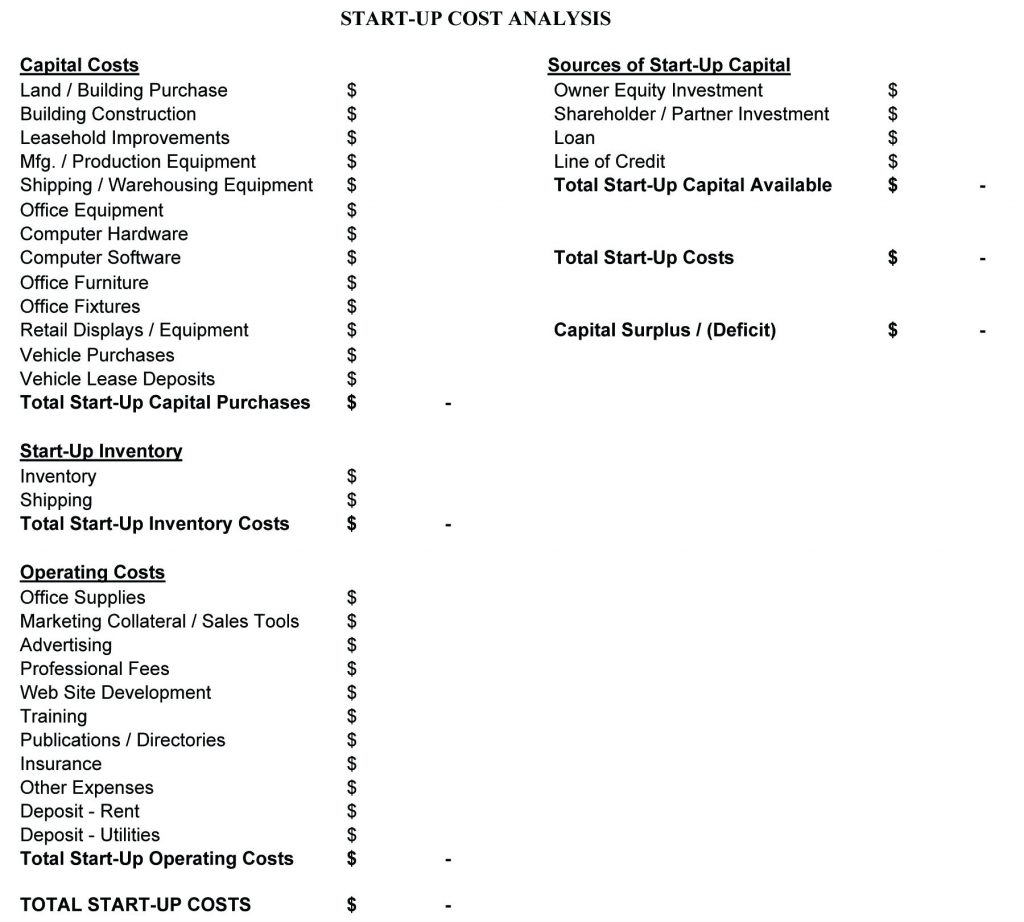
Ever feel like you're staring into a crystal ball, trying to predict the future of your real estate investment? You're not alone. The world of real estate investment can feel like navigating a maze, especially when it comes to forecasting potential returns.
Let's be honest, sifting through mountains of data, juggling spreadsheets, and trying to make sense of ever-changing market conditions can be a real headache. Ensuring accuracy while also trying to project future performance with confidence often feels like an impossible feat. The process can be tedious, time-consuming, and frankly, a bit overwhelming.
The core reason for crafting a real estate investment pro forma is simple: to determine if a potential investment is worth pursuing. It's about understanding the potential risks and rewards, and making informed decisions based on realistic projections.
This article will break down the essential elements of creating a real estate investment pro forma, explaining how to forecast income, expenses, and ultimately, profitability. We'll explore key aspects like operating expenses, debt service, capitalization rates (cap rates), and cash flow analysis. We aim to provide you with the knowledge and tools you need to confidently assess real estate opportunities. Consider this your guide to building a solid financial foundation for your real estate ventures.
Understanding the Purpose of a Real Estate Pro Forma
The purpose of a real estate pro forma is to project the potential financial performance of a property. It's essentially a financial model that outlines anticipated income, expenses, and profitability over a specific period, typically five to ten years. I remember when I first started in real estate; I stumbled upon a property that looked fantastic on paper. I jumped in without a detailed pro forma. Big mistake. Vacancy rates were higher than anticipated, repairs were far more costly, and my projected returns vanished quicker than free donuts at an office meeting. That experience taught me a valuable lesson: a well-crafted pro forma isn't just a suggestion; it's a vital tool for informed decision-making. It forces you to consider various scenarios, stress test your assumptions, and truly understand the potential risks and rewards involved. The pro forma serves as a roadmap, guiding your investment strategy and helping you stay on track. It allows investors to estimate potential returns such as cash flow, net operating income (NOI), and return on investment (ROI). Key elements considered are rental income, vacancy rates, operating expenses, debt service, and potential exit value.
What is a Real Estate Investment Pro Forma?
A real estate investment pro forma is a detailed financial projection that forecasts the potential income, expenses, and profitability of a real estate investment over a specified period. It's essentially a financial roadmap, outlining the anticipated performance of a property under various scenarios. It's more than just a simple spreadsheet; it's a sophisticated tool used to analyze the feasibility and potential returns of an investment. Think of it as a business plan tailored specifically for real estate. The pro forma typically includes a detailed breakdown of potential revenue streams, such as rental income, as well as all associated expenses, including operating costs, property taxes, insurance, and debt service. By carefully projecting these factors, investors can estimate key financial metrics, such as net operating income (NOI), cash flow, and internal rate of return (IRR). These metrics provide valuable insights into the profitability and overall attractiveness of the investment. A well-constructed pro forma allows investors to make informed decisions, assess potential risks, and determine whether a particular real estate opportunity aligns with their investment goals. Understanding key terms like "cap rate," "vacancy rate," and "debt service coverage ratio" (DSCR) are vital for creating a realistic and valuable pro forma.
The History and Myths of Real Estate Pro Formas
While the specific term "pro forma" might not have been around centuries ago, the concept of projecting financial performance in real estate has existed for as long as people have been investing in property. Early forms likely involved simpler calculations and estimations, relying heavily on historical data and local market knowledge. The modern pro forma, with its detailed spreadsheets and sophisticated financial models, is a relatively recent development, largely driven by the increasing complexity of real estate financing and investment structures. One common myth is that a pro forma is a guarantee of future returns. This is simply not true. A pro forma is a projection based on assumptions, and the real world rarely aligns perfectly with those assumptions. Market conditions can change, unexpected expenses can arise, and vacancy rates can fluctuate. Another myth is that a pro forma is only useful for large, commercial properties. While pro formas are certainly essential for evaluating large investments, they can also be valuable tools for analyzing smaller residential properties. Even a single-family rental can benefit from a well-constructed pro forma. The key is to adapt the level of detail to the size and complexity of the investment. Understanding the limitations and potential pitfalls of pro formas is just as important as understanding their potential benefits. Key terms like "sensitivity analysis" and "scenario planning" are crucial for addressing uncertainty in your projections. Always remember to stress test your assumptions and consider various "what if" scenarios.
The Hidden Secrets of Real Estate Pro Formas
The real "secret" to a successful real estate pro forma isn't some magical formula or hidden database. It's diligent research, realistic assumptions, and a thorough understanding of the local market. Many investors fall into the trap of simply plugging in optimistic numbers, hoping for the best. However, a pro forma is only as good as the data that goes into it. Spending the time to gather accurate information on comparable properties, market trends, and local economic conditions is crucial. Another often overlooked aspect is the importance of expense forecasting. Many investors underestimate the true cost of operating a property, especially when it comes to maintenance, repairs, and capital improvements. Creating a detailed budget that accounts for both recurring and non-recurring expenses is essential for a realistic pro forma. Furthermore, understanding the nuances of lease terms and tenant creditworthiness is vital for projecting rental income accurately. A high vacancy rate or a string of late payments can quickly derail even the most optimistic projections. Remember, the goal of a pro forma is not to paint a rosy picture, but to provide a realistic assessment of the potential risks and rewards of an investment. Keywords: due diligence, expense forecasting, tenant creditworthiness, market research, operating expenses, rent roll analysis.
Recommendations for Real Estate Pro Forma Creation
My biggest recommendation for creating a robust real estate pro forma is to start with a solid foundation of research. Don't rely on gut feelings or hunches; dig into the data. Analyze comparable properties in the area to understand prevailing rental rates, vacancy rates, and operating expenses. Speak with local property managers and real estate agents to gain insights into the local market conditions. Also, don't be afraid to seek help. There are numerous resources available, including online templates, software programs, and professional consultants. Leveraging these resources can save you time and ensure that your pro forma is accurate and comprehensive. It's also important to be conservative in your assumptions. It's always better to underestimate potential income and overestimate potential expenses. This will help you avoid overpaying for a property and ensure that your investment is financially viable even under less-than-ideal circumstances. Regularly review and update your pro forma as market conditions change or as you gather new information. A pro forma is not a static document; it should be a living, breathing model that evolves over time. Key terms: market analysis, financial modeling, sensitivity analysis, conservative assumptions, expense management, property management.
Key Components of a Real Estate Pro Forma
A comprehensive real estate pro forma typically includes several key components, each playing a vital role in projecting the financial performance of the property. First and foremost is the income statement, which outlines the potential revenue streams, primarily rental income, and any other income generated by the property, such as parking fees or laundry services. Next is the expense statement, which details all the costs associated with operating the property, including property taxes, insurance, maintenance, repairs, property management fees, and utilities. It's crucial to be thorough in this section and account for both recurring and non-recurring expenses. Another critical component is the cash flow statement, which tracks the flow of cash into and out of the property. This includes rental income, operating expenses, debt service (mortgage payments), and any capital expenditures. Analyzing the cash flow statement allows investors to determine the property's net cash flow, which is a key indicator of its profitability. Furthermore, the pro forma should include a section on debt service, which outlines the terms of the mortgage loan, including the interest rate, loan term, and monthly payments. Understanding the debt service obligations is essential for assessing the property's ability to generate sufficient cash flow to cover its mortgage payments. Additionally, the pro forma should include a section on capital expenditures (CAPEX), which are major investments in the property, such as roof replacements, HVAC upgrades, or renovations. These expenses can significantly impact the property's profitability and should be carefully considered. Keywords: income statement, expense statement, cash flow statement, debt service, capital expenditures, financial analysis.
Essential Tips for Creating a Real Estate Investment Pro Forma
One of the most important tips I can offer is to start with a clear understanding of your investment goals. What are you hoping to achieve with this investment? Are you looking for long-term appreciation, steady cash flow, or a combination of both? Your goals will influence the assumptions and projections you make in your pro forma. Another key tip is to be realistic in your assumptions about rental income and vacancy rates. Don't assume that you can always charge top-dollar rent or that your property will always be fully occupied. Research the local market to understand prevailing rental rates and vacancy rates, and adjust your projections accordingly. It's also important to be diligent in your expense forecasting. Don't underestimate the true cost of operating a property. Factor in all potential expenses, including property taxes, insurance, maintenance, repairs, property management fees, and utilities. It's also a good idea to include a contingency fund to cover unexpected expenses. Furthermore, consider performing a sensitivity analysis to assess how your projections would change under different scenarios. For example, what would happen if rental income decreased by 10% or if vacancy rates increased by 5%? This will help you understand the potential risks and rewards of the investment. Key terms: financial goals, market research, expense management, sensitivity analysis, risk assessment, investment strategy.
The Role of Technology in Pro Forma Creation
Technology has revolutionized the process of creating real estate pro formas, making it easier, faster, and more accurate. Numerous software programs and online tools are available that can automate many of the tasks involved in creating a pro forma, such as data entry, calculations, and report generation. These tools can also provide access to valuable market data, such as comparable property information, rental rates, and vacancy rates. One of the key benefits of using technology is the ability to easily perform sensitivity analysis and scenario planning. With a few clicks of a button, you can adjust key assumptions and see how those changes would impact your projections. This allows you to assess the potential risks and rewards of the investment under different scenarios. Another benefit is the ability to create professional-looking reports and presentations. Many software programs offer customizable templates that allow you to generate visually appealing reports that can be shared with potential investors or lenders. Furthermore, technology can help you stay organized and track your progress. Many software programs offer features such as task management, document storage, and collaboration tools. This can be especially helpful if you're working on a complex investment with multiple stakeholders. However, it's important to remember that technology is just a tool. It's still up to you to provide accurate data and make sound judgments. Technology can't replace the need for critical thinking and a thorough understanding of the real estate market. Keywords: real estate software, financial modeling tools, sensitivity analysis, scenario planning, data analytics, reporting tools.
Fun Facts About Real Estate Pro Formas
Did you know that the concept of projecting financial performance in real estate dates back centuries? While the modern pro forma, with its detailed spreadsheets and sophisticated models, is a relatively recent development, the idea of forecasting potential returns has been around for a long time. One interesting fact is that real estate pro formas are used by a wide range of investors, from individual landlords to large institutional investors. Whether you're buying a single-family rental or a multi-million dollar apartment complex, a pro forma can help you make informed decisions. Another fun fact is that pro formas are not just used for evaluating potential investments; they can also be used for managing existing properties. By tracking actual income and expenses against projected figures, you can identify areas where you can improve your property's performance. Furthermore, pro formas can be used to justify rent increases or to secure financing for renovations or capital improvements. One surprising fact is that even experienced real estate investors make mistakes when creating pro formas. Common mistakes include underestimating expenses, overestimating rental income, and failing to account for potential risks. That's why it's always a good idea to have your pro forma reviewed by a qualified professional. Keywords: real estate history, investment analysis, property management, financial planning, risk assessment, due diligence.
How to Create a Real Estate Investment Pro Forma
Creating a real estate investment pro forma involves a series of steps, each requiring careful consideration and accurate data. The first step is to gather information about the property, including its size, location, condition, and amenities. You'll also need to research comparable properties in the area to understand prevailing rental rates, vacancy rates, and operating expenses. Next, you'll need to project the potential revenue streams. This primarily involves estimating rental income, but it can also include other income sources, such as parking fees or laundry services. Be realistic in your assumptions and consider factors such as seasonality, market trends, and tenant demographics. After projecting revenue, you'll need to forecast all the expenses associated with operating the property. This includes property taxes, insurance, maintenance, repairs, property management fees, utilities, and any other costs. Be thorough in this section and account for both recurring and non-recurring expenses. Once you have projected revenue and expenses, you can calculate the property's net operating income (NOI), which is the difference between revenue and operating expenses. The NOI is a key indicator of the property's profitability. Next, you'll need to factor in debt service (mortgage payments). Subtracting debt service from the NOI will give you the property's cash flow. Finally, you'll want to perform a sensitivity analysis to assess how your projections would change under different scenarios. Keywords: financial projections, revenue forecasting, expense budgeting, net operating income (NOI), cash flow analysis, sensitivity analysis.
What If in Real Estate Investment Pro Forma?
"What if" scenarios are an essential part of any robust real estate pro forma. They allow you to stress test your assumptions and see how your projections would change under different market conditions or unexpected events. For example, what if rental income decreased by 10% due to increased competition? What if vacancy rates increased by 5% due to an economic downturn? What if you had to make unexpected repairs, such as replacing a roof or HVAC system? By considering these "what if" scenarios, you can assess the potential risks and rewards of the investment and make more informed decisions. One common "what if" scenario is to project the impact of rent increases. What if you were able to increase rents by 3% per year? How would that affect your cash flow and overall return on investment? Another scenario to consider is the impact of higher interest rates. What if interest rates increased by 1%? How would that affect your debt service obligations and your cash flow? It's also important to consider the impact of capital expenditures (CAPEX). What if you had to make major renovations to the property in five years? How would that affect your profitability? By exploring these "what if" scenarios, you can develop a more comprehensive understanding of the potential risks and rewards of the investment and be better prepared for unexpected events. Keywords: sensitivity analysis, scenario planning, risk management, financial modeling, investment analysis, contingency planning.
Listicle of Real Estate Investment Pro Forma
Here's a quick list of things to keep in mind when creating your real estate investment pro forma:
- Start with accurate data: Garbage in, garbage out.
- Be realistic in your assumptions: Don't overpromise or underdeliver.
- Account for all expenses: Don't forget the hidden costs.
- Factor in debt service: Understand your mortgage obligations.
- Perform a sensitivity analysis: Stress test your assumptions.
- Consider "what if" scenarios: Be prepared for the unexpected.
- Review and update regularly: Keep your pro forma up-to-date.
- Seek professional advice: Don't be afraid to ask for help.
- Use technology wisely: Leverage software and online tools.
- Focus on your investment goals: Keep your eye on the prize.
By following these tips, you can create a robust and reliable pro forma that will help you make informed decisions and achieve your investment goals. Remember that a pro forma is just a tool, and it's only as good as the data and assumptions that go into it. Always do your due diligence and be prepared to adjust your projections as market conditions change. Real estate investment can be a rewarding but challenging endeavor, and a well-crafted pro forma can be your guide to success. Keywords: investment tips, financial planning, risk management, market analysis, due diligence, investment strategy.
Question and Answer Section of Real Estate Investment Pro Forma
Q: What's the biggest mistake people make when creating a pro forma?
A: Overly optimistic assumptions. It's crucial to be realistic about rental income, vacancy rates, and expenses.
Q: How often should I update my pro forma?
A: Regularly! At least quarterly, or whenever there are significant changes in the market or your property.
Q: What are some resources for learning more about pro formas?
A: There are many online courses, books, and software programs available. Consider seeking advice from experienced real estate professionals.
Q: Is a pro forma only necessary for large commercial properties?
A: No! While essential for commercial properties, even smaller residential investments can benefit from a well-constructed pro forma.
Conclusion of Real Estate Investment Pro Forma Creation
Creating a real estate investment pro forma is a critical step in evaluating the potential profitability and risks associated with a property. By carefully projecting income, expenses, and cash flow, investors can make informed decisions and avoid costly mistakes. A well-constructed pro forma serves as a roadmap, guiding your investment strategy and helping you stay on track towards achieving your financial goals. Remember to be realistic in your assumptions, diligent in your research, and always prepared to adapt to changing market conditions. Whether you're a seasoned investor or just starting out, mastering the art of pro forma creation will significantly increase your chances of success in the world of real estate.
Post a Comment