real estate investment mixed use development
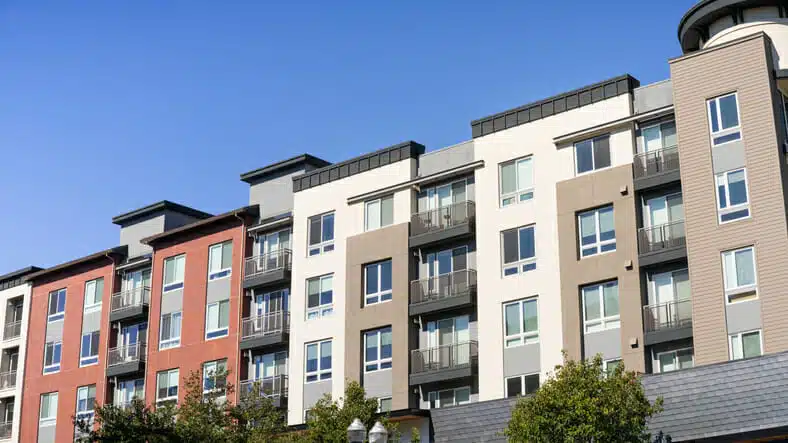
Imagine a bustling city corner where modern apartments sit atop trendy boutiques and a gourmet grocery store, all seamlessly integrated into one vibrant hub. That’s the allure of mixed-use development, a concept that's reshaping urban landscapes and attracting savvy investors. But is it right for you?
Venturing into the world of mixed-use real estate can feel like navigating a maze. Juggling diverse tenant needs, managing multiple property types, and complying with complex regulations can quickly become overwhelming. The financial commitment is significant, and the potential for unforeseen challenges looms large.
The primary target of real estate investment in mixed-use development is to create vibrant, sustainable communities that offer a diverse range of amenities and services within a single location. This approach aims to maximize land use, reduce reliance on cars, and foster a sense of place that attracts residents, businesses, and visitors alike.
This article delves into the multifaceted world of mixed-use real estate investment. We’ll explore its benefits, address its challenges, and provide valuable insights for those considering this unique investment strategy. We'll cover everything from understanding the target audience and navigating historical context to uncovering hidden secrets and offering practical tips. Consider this your comprehensive guide to unlocking the potential of mixed-use development. Key concepts include urban planning, real estate market analysis, property management, and community development.
Understanding the Target Audience
The target audience for a mixed-use development is as diverse as the development itself. It includes residents seeking convenient living, businesses looking for high-traffic locations, and visitors drawn to the unique blend of offerings. I remember when a new mixed-use project popped up near my house. I was skeptical. It had luxury condos, a fancy dog groomer, a yoga studio, and a ridiculously overpriced coffee shop. I thought, "Who needs this?" But then I noticed something. The coffee shop wasalwayspacked. The groomer had a constant stream of fluffy clients. People were actuallylivingthere. It turns out, that I was wrong.
Mixed-use developments appeal to a broad demographic, from young professionals and empty-nesters to families and students. Each group seeks something different – walkability, access to amenities, a sense of community, or a convenient location. It is important to conduct thorough market research to identify the specific needs and preferences of the target audience in a given area. This research should consider demographics, lifestyle trends, and local market conditions. Understanding the target audience is essential for creating a successful mixed-use development that meets their needs and attracts a diverse range of tenants and residents. Considerations such as the type of retail, residential options, office spaces, and entertainment venues included in the development should all align with the target demographic’s preferences and lifestyle.
What is Mixed-Use Development?
Mixed-use development is a real estate project that combines multiple uses, such as residential, commercial, and office spaces, within a single building or a cluster of buildings. This concept promotes walkability, reduces reliance on cars, and creates vibrant, self-sufficient communities. Think of a building with apartments on the upper floors, shops and restaurants on the ground floor, and office spaces in between. This blend of uses fosters a dynamic environment that attracts a diverse range of people and activities.
Mixed-use developments are often located in urban areas, but they can also be found in suburban and even rural settings. They can range in scale from small infill projects to large-scale master-planned communities. The key element is the integration of different uses to create a cohesive and functional environment. These developments offer numerous benefits, including increased property values, reduced transportation costs, and a stronger sense of community. However, they also present unique challenges, such as managing different tenant needs, navigating complex zoning regulations, and ensuring compatibility between various uses. A successful mixed-use development requires careful planning, design, and management to create a thriving and sustainable community. The long-term success of these ventures relies on a careful consideration of market demands, community needs, and the integration of amenities that enhance the overall quality of life.
History and Myths of Mixed-Use Development
Mixed-use development is not a new concept. In fact, many historic cities were inherently mixed-use, with shops and residences often located in the same buildings. The rise of suburban sprawl and single-use zoning in the 20th century led to a decline in mixed-use development, but it has been making a comeback in recent years.
One common myth about mixed-use development is that it is only suitable for dense urban areas. While it is true that mixed-use projects are often found in cities, they can also be successful in suburban and even rural settings. The key is to tailor the development to the specific needs and context of the surrounding community. Another myth is that mixed-use developments are always expensive. While some high-end mixed-use projects can be pricey, there are also many affordable options available. The cost of a mixed-use development depends on a variety of factors, including location, design, and the type of uses included.
The historical evolution of mixed-use spaces shows that integrating different functions into a single environment has been a common practice for centuries. Early forms of urbanization often included residential, commercial, and civic activities within close proximity. However, modern zoning practices in the 20th century led to a separation of these functions, contributing to urban sprawl and increased reliance on automobiles. The resurgence of mixed-use development is a response to these issues, aiming to create more sustainable, walkable, and vibrant communities.
Hidden Secrets of Mixed-Use Development
One of the hidden secrets of successful mixed-use development is the importance of placemaking. Placemaking is the art of creating vibrant, welcoming public spaces that foster a sense of community. This can involve incorporating public art, creating pedestrian-friendly streets, and providing amenities such as parks and plazas.
Another secret is the importance of collaboration between developers, architects, and community stakeholders. A successful mixed-use development should be designed to meet the needs of the surrounding community, and this requires ongoing communication and collaboration. Developers need to listen to the concerns and suggestions of residents, businesses, and local government officials.
The financial structuring of mixed-use projects often involves complex layering of funding sources, including public subsidies, private equity, and debt financing. Understanding these financial mechanisms is crucial for developers to secure the necessary capital and manage the project's financial viability. Furthermore, the operational aspects of mixed-use properties require specialized expertise in managing diverse tenant relationships, coordinating maintenance and services across different uses, and ensuring regulatory compliance.
Recommendations for Mixed-Use Development
If you are considering investing in mixed-use development, it is important to do your research and seek expert advice. Start by conducting a thorough market analysis to identify potential opportunities. Look for areas with strong demographics, a growing economy, and a demand for mixed-use development.
It is also important to assemble a strong team of professionals, including architects, engineers, contractors, and property managers. These professionals can help you navigate the complexities of mixed-use development and ensure that your project is successful. Furthermore, consider incorporating sustainable design principles into your project. This can include using energy-efficient building materials, incorporating green spaces, and promoting sustainable transportation options.
The success of mixed-use development depends on careful planning, execution, and management. A comprehensive understanding of the market, community needs, and financial considerations is essential for making informed decisions and achieving a positive return on investment. By following these recommendations, investors can increase their chances of success in this dynamic and rewarding sector of the real estate market. Thorough due diligence and realistic financial projections are crucial for mitigating risks and ensuring the long-term viability of the project.
Legal Aspect and Zoning
Navigating the legal landscape is paramount. Zoning laws are notorious for their complexity and can significantly impact the feasibility of a mixed-use project. You'll need to thoroughly investigate local zoning regulations, understand permitted uses, and potentially seek variances or rezoning if necessary. Engage with local planning authorities early in the process to understand their vision for the area and build a collaborative relationship.
Environmental regulations are another critical consideration. Conduct thorough environmental assessments to identify any potential contaminants or hazards on the site. Compliance with environmental laws is essential for protecting public health and avoiding costly remediation efforts. Furthermore, legal agreements with tenants must be carefully drafted to address issues such as use restrictions, common area maintenance, and liability. A well-structured legal framework is the foundation for a successful and sustainable mixed-use development.
Tips for Real Estate Investment in Mixed-Use Development
One key tip for success in mixed-use development is to focus on creating a strong sense of place. This means designing a development that is not only functional but also aesthetically pleasing and inviting. Consider incorporating public art, creating pedestrian-friendly streets, and providing amenities such as parks and plazas. Another tip is to be flexible and adaptable. The needs of your tenants and the surrounding community may change over time, so be prepared to adjust your plans accordingly. This may involve adding new amenities, changing the mix of uses, or even redeveloping parts of the property.
Effective property management is crucial for the long-term success of a mixed-use development. This includes managing tenant relationships, maintaining the property, and ensuring compliance with all applicable laws and regulations. Consider hiring a professional property management company with experience in managing mixed-use properties. They can help you streamline operations, reduce costs, and improve tenant satisfaction.
Financial Modeling for Mixed-Use Projects
Creating a robust financial model is essential for evaluating the feasibility of a mixed-use project. This model should incorporate all relevant revenue and expense assumptions, including rental income, operating expenses, debt service, and capital expenditures. It's also important to consider the timing of cash flows, as mixed-use projects often have longer development timelines than single-use projects.
Sensitivity analysis is a valuable tool for assessing the potential impact of changes in key assumptions. This involves testing the model under different scenarios to see how the project's financial performance is affected. For example, you might want to analyze the impact of higher vacancy rates, lower rental rates, or increased construction costs.
The financial model should also include a detailed analysis of the project's potential return on investment. This includes metrics such as net present value (NPV), internal rate of return (IRR), and cash-on-cash return. These metrics will help you determine whether the project is financially viable and whether it meets your investment objectives.
Fun Facts about Mixed-Use Development
Did you know that some of the earliest examples of mixed-use development can be traced back to ancient Rome? Many Roman cities featured buildings that combined residential, commercial, and civic functions in the same structure. Another fun fact is that mixed-use developments are often more resilient to economic downturns than single-use developments. This is because they offer a more diversified revenue stream, which can help to cushion the impact of a decline in one particular sector.
The concept of "New Urbanism" heavily promotes mixed-use development as a key element in creating walkable, sustainable communities. New Urbanist principles emphasize the integration of residential, commercial, and civic spaces to reduce reliance on automobiles and foster a sense of community. Some of the most successful mixed-use developments around the world have incorporated these principles to create vibrant and thriving environments.
How to Real Estate Investment in Mixed-Use Development
Investing in mixed-use development requires a strategic approach. Start by identifying markets with strong growth potential and a demand for mixed-use projects. Conduct thorough due diligence to assess the feasibility of potential investments. This includes analyzing market data, reviewing financial statements, and conducting site visits.
Consider partnering with experienced developers or property managers who have a proven track record in mixed-use development. Their expertise can help you navigate the complexities of these projects and increase your chances of success. Furthermore, be prepared to invest for the long term. Mixed-use developments often require significant upfront investment and may take several years to generate a positive return.
What if Real Estate Investment in Mixed-Use Development
What if your mixed-use development becomes a victim of its own success? Increased traffic congestion and parking shortages could become a concern. This highlights the importance of incorporating sustainable transportation options into the development, such as bike lanes, pedestrian walkways, and access to public transit.
What if a major tenant moves out, leaving a significant vacancy? This underscores the need for a diversified tenant base and a proactive leasing strategy. Developers should actively seek out new tenants and be prepared to offer incentives to attract them. Furthermore, what if community needs change over time? This emphasizes the importance of being flexible and adaptable. Developers should be prepared to adjust their plans as needed to meet the evolving needs of the community.
Listicle of Real Estate Investment in Mixed-Use Development
Here's a quick list of key considerations for real estate investment in mixed-use development:
1.Market Analysis: Conduct thorough research to identify markets with strong growth potential.
2.Due Diligence: Carefully assess the feasibility of potential investments.
3.Team Building: Partner with experienced developers and property managers.
4.Financial Planning: Create a robust financial model that considers all relevant revenue and expense assumptions.
5.Sustainability: Incorporate sustainable design principles into your project.
6.Community Engagement: Engage with local stakeholders to ensure that the development meets their needs.
7.Flexibility: Be prepared to adapt your plans as needed to meet changing market conditions.
8.Property Management: Implement effective property management practices to ensure the long-term success of the development.
9.Legal Compliance: Ensure compliance with all applicable laws and regulations.
10.Long-Term Vision: Invest for the long term and be prepared to weather economic cycles.
Question and Answer
Q: What are the biggest challenges of mixed-use development?
A: Some of the biggest challenges include managing diverse tenant needs, navigating complex zoning regulations, and ensuring compatibility between various uses.
Q: What are the key benefits of mixed-use development?
A: Key benefits include increased property values, reduced transportation costs, and a stronger sense of community.
Q: What type of locations are best suited for mixed-use development?
A: Mixed-use developments are often found in urban areas, but they can also be successful in suburban and even rural settings. The key is to tailor the development to the specific needs and context of the surrounding community.
Q: How can I finance a mixed-use development project?
A: Financing options include public subsidies, private equity, and debt financing. It's important to develop a comprehensive financial plan and secure the necessary capital before starting the project.
Conclusion of real estate investment mixed use development
Mixed-use development presents a compelling opportunity for investors seeking to create vibrant, sustainable communities. While it requires careful planning, diligent execution, and a keen understanding of market dynamics, the potential rewards – both financial and social – can be substantial. By embracing the principles of placemaking, community engagement, and sustainable design, investors can unlock the full potential of mixed-use development and contribute to the creation of thriving urban environments.
Post a Comment