real estate investment electric vehicle charging
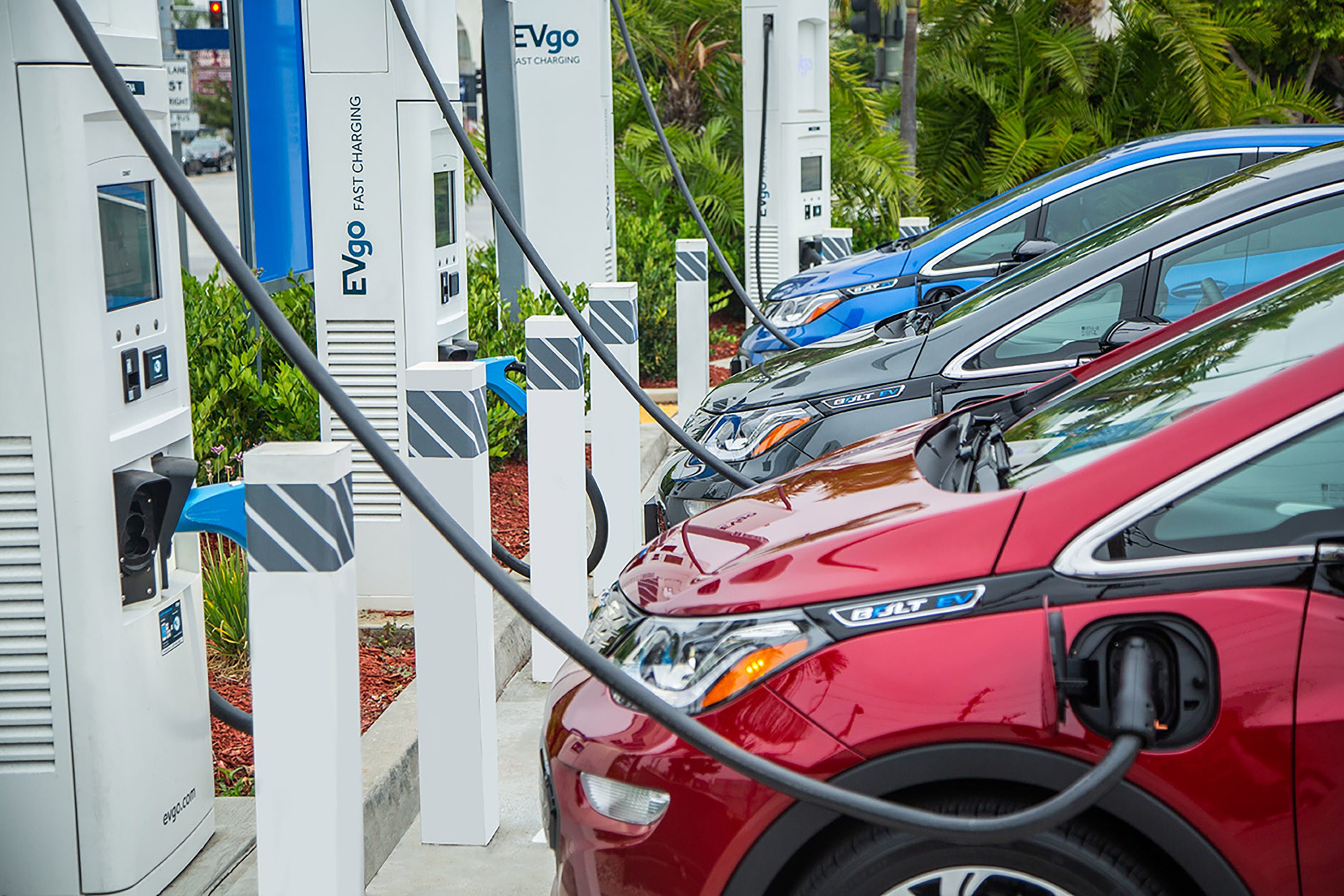
Imagine a world where your real estate investments not only generate income but also contribute to a greener future. Electric vehicles (EVs) are rapidly becoming the norm, and that shift presents a significant opportunity for savvy investors. Are you ready to electrify your portfolio?
For property owners, keeping up with the increasing demand for EV charging can feel like navigating a complex maze. Figuring out the right charging infrastructure, managing installation costs, and understanding the long-term impact on property value can be overwhelming, but ignoring this trend means missing out on a huge potential revenue stream and potentially losing tenants to more forward-thinking properties.
The goal is to empower real estate investors with the knowledge and strategies to successfully integrate EV charging solutions into their properties. By doing so, they can attract and retain tenants, increase property values, and contribute to a more sustainable environment.
This article explores the ins and outs of integrating EV charging into real estate investments. We'll cover everything from understanding the market demand to choosing the right charging stations, navigating installation hurdles, and maximizing your return on investment. Key terms include EV charging, real estate investment, property value, tenant attraction, and sustainable development.
My First Foray into EV Charging
I'll never forget my first experience helping a client navigate the world of EV charging for their apartment complex. They were hesitant, unsure if the investment would pay off. I remember touring the property, seeing the limited parking spaces, and wondering how we could possibly integrate enough charging stations to meet potential demand. The client's main concern was cost – they were worried about the upfront investment and the ongoing maintenance expenses. They also feared that tenants would abuse the system or that it would create parking conflicts. It seemed like an uphill battle. After countless hours of research, cost-benefit analysis, and conversations with EV charging experts, we developed a phased implementation plan. We started with a small number of Level 2 chargers in high-visibility parking spots and installed smart meters to track usage and implement a pay-per-use system. To our surprise, the chargers were almost immediately in constant use. Tenants raved about the convenience, and the property became significantly more attractive to prospective renters. Within a year, we expanded the number of charging stations, and the increased rental income more than offset the initial investment. The key takeaways from this experience were the importance of careful planning, starting small, and choosing the right technology. The increasing adoption of electric vehicles presents a unique opportunity for real estate investors to increase property value, attract quality tenants, and differentiate their properties in a competitive market. Ignoring the need for EV charging infrastructure means missing out on a significant competitive advantage.
What is Real Estate Investment EV Charging?
Real estate investment in EV charging essentially means adding electric vehicle charging stations to a property with the intention of increasing its value and attracting tenants. It's a strategic move to future-proof your investment by catering to the growing number of EV owners. This involves assessing the demand for charging at your property, selecting appropriate charging equipment (Level 2 chargers or DC fast chargers), managing installation costs, and setting up a system for billing or access control. It's not just about installing a charger; it's about creating a valuable amenity that enhances the overall appeal of your property. Think of it as adding a swimming pool or a fitness center – it's an investment that attracts a specific type of tenant and can command higher rental rates. The ROI can come from increased rental income, higher property resale value, or even government incentives and tax credits designed to promote EV adoption. As EVs become more commonplace, properties without charging stations will become less desirable, potentially leading to lower occupancy rates and reduced property values. Embracing EV charging is a proactive step towards ensuring your property remains competitive and attractive in the evolving landscape of transportation and energy.
History and Myths of EV Charging in Real Estate
The history of EV charging in real estate is relatively short, mirroring the rise of electric vehicles themselves. In the early days, it was mostly early adopters and environmentally conscious property owners who took the plunge. Now, it's becoming a mainstream consideration. The myths surrounding EV charging are plentiful. One common myth is that it's too expensive to install, but the cost has come down significantly in recent years, and various incentives and tax credits can help offset the investment. Another myth is that it will overload the electrical grid, but with proper planning and smart charging solutions, this is rarely an issue. Some landlords fear that tenants will abuse the system or that it will create parking conflicts, but these concerns can be addressed with clear policies, smart charging management systems, and fair pricing structures. There's also the myth that only high-end properties need EV charging, but in reality, it's becoming a desirable amenity for tenants of all income levels. As the EV market continues to grow, the demand for convenient charging will only increase, making it essential for all types of properties to consider EV charging as a valuable amenity.
The Hidden Secrets of EV Charging in Real Estate
The hidden secret to successful EV charging in real estate lies in understanding the data. It's not enough to simply install chargers; you need to track usage, monitor charging patterns, and analyze the data to optimize your investment. This data can inform decisions about pricing, charger placement, and future expansion plans. Another secret is to leverage partnerships. Working with EV charging providers, utility companies, and government agencies can unlock valuable resources, incentives, and expertise. Don't underestimate the power of marketing. Promoting your EV charging stations can attract new tenants and enhance your property's image. Word of mouth can be a powerful marketing tool, so encourage tenants to share their positive experiences. Beyond the revenue potential, the hidden benefit of EV charging is the positive impact on your property's sustainability profile. This can attract socially conscious tenants and investors who are increasingly prioritizing environmental responsibility. By embracing EV charging, you're not just investing in your property; you're investing in a greener future.
Recommendations for Real Estate EV Charging
If you're considering EV charging for your real estate investment, my top recommendation is to start with a thorough assessment. Understand the demand for charging at your property, research available charging options, and create a detailed budget. Consider the different types of chargers, such as Level 2 chargers for slower, overnight charging and DC fast chargers for quicker top-ups. Explore available incentives and tax credits to help offset the cost of installation. Engage with EV charging experts and consult with electricians to ensure proper installation and compliance with local regulations. Before making any decisions, consider factors like the number of parking spaces, the existing electrical infrastructure, and the type of tenants you're trying to attract. Think about the long-term implications of your investment. Will you need to expand your charging infrastructure as EV adoption increases? Will you need to upgrade your electrical system to handle increased demand? By planning ahead and making informed decisions, you can maximize the return on your EV charging investment and ensure your property remains competitive in the evolving transportation landscape.
Choosing the Right EV Charging Stations
Selecting the right EV charging stations is critical. Level 2 chargers are a good starting point for apartments and condos as they offer a decent charging speed for overnight use. For commercial properties or locations with high turnover, consider DC fast chargers for a quicker charge. Evaluate the reliability and warranty of the charging stations. Look for stations with smart features like remote monitoring, usage tracking, and payment processing. Consider the aesthetics of the charging stations and choose models that complement your property's design. Check for compatibility with different EV models and charging networks. Think about accessibility. Ensure the charging stations are easily accessible to all tenants, including those with disabilities. Prioritize safety. Choose charging stations that meet industry safety standards and are properly installed by qualified electricians. Don't forget about maintenance. Select charging stations that are easy to maintain and have readily available replacement parts. As technology evolves, there are now even wireless charging options to consider. By considering these factors, you can choose the right EV charging stations for your property and ensure a positive experience for your tenants.
Tips for Real Estate Investment EV Charging
Implementing EV charging requires planning and consideration. Start by surveying your property to determine the best locations for charging stations. Factor in proximity to electrical panels, accessibility for tenants, and visibility from the street. Invest in quality charging equipment from reputable manufacturers with proven reliability and warranties. Work with qualified electricians who have experience installing EV charging stations to ensure proper installation and compliance with local codes. Implement a smart charging management system that allows you to monitor usage, manage access, and set pricing. Consider offering different charging plans to cater to different tenant needs. Promote your EV charging stations through online listings, property brochures, and tenant communications. Provide clear instructions and support for tenants using the charging stations. Regularly inspect and maintain the charging stations to ensure they are in good working order. Stay informed about the latest EV charging technologies and regulations to ensure your investment remains competitive. By following these tips, you can successfully integrate EV charging into your real estate investment and reap the benefits of increased property value, tenant attraction, and environmental responsibility.
Understanding the ROI of EV Charging
Calculating the return on investment (ROI) for EV charging can be tricky, but essential for making informed decisions. First, estimate the installation costs, including equipment, labor, and any necessary electrical upgrades. Then, project the potential revenue from charging fees. Consider factors like the number of EV owners in your area, the average charging time, and the price you'll charge per kilowatt-hour. Also, factor in the indirect benefits, such as increased property value, higher rental rates, and improved tenant retention. Explore available incentives and tax credits to reduce the initial investment. Compare the projected revenue and benefits to the installation costs to calculate the ROI. Keep in mind that the ROI may vary depending on the type of property, the location, and the pricing strategy. Consider the long-term ROI as EV adoption continues to grow. Don't forget to factor in the environmental benefits and the potential for attracting environmentally conscious tenants. Use online ROI calculators and consult with EV charging experts to get a more accurate estimate. By carefully analyzing the costs and benefits, you can determine the true ROI of EV charging and make informed investment decisions.
Fun Facts About Real Estate Investment EV Charging
Did you know that properties with EV charging stations command higher rental rates and property values? EV drivers are willing to pay a premium for the convenience of charging at home or at work. Studies show that EV charging can significantly increase tenant satisfaction and loyalty. It's estimated that EV charging can reduce carbon emissions and contribute to a more sustainable environment. Many cities and states offer incentives and rebates for installing EV charging stations. The demand for EV charging is expected to skyrocket in the coming years as EV adoption continues to grow. EV charging stations can be remotely monitored and managed through smart charging management systems. Some properties are even generating revenue by selling excess electricity back to the grid through vehicle-to-grid (V2G) technology. EV charging can be a powerful marketing tool for attracting environmentally conscious tenants. The future of real estate is electric, and properties that embrace EV charging are poised to thrive in the years to come. It is amazing how something as simple as offering EV charging can contribute to a major market increase to the property itself.
How to Real Estate Invest in EV Charging
Investing in EV charging requires careful planning and execution. Start by conducting a thorough assessment of your property's needs and potential. Research available charging options and select the right equipment for your target audience. Develop a detailed budget that includes installation costs, ongoing maintenance, and potential revenue streams. Work with qualified electricians and EV charging experts to ensure proper installation and compliance with local regulations. Implement a smart charging management system to track usage, manage access, and set pricing. Promote your EV charging stations through marketing materials and online listings. Provide clear instructions and support for tenants using the charging stations. Regularly inspect and maintain the charging stations to ensure they are in good working order. Stay informed about the latest EV charging technologies and regulations. Monitor the performance of your EV charging stations and adjust your strategy as needed. Consider offering different charging plans to cater to different tenant needs. Engage with local EV communities and attend industry events to stay ahead of the curve. By following these steps, you can successfully invest in EV charging and reap the benefits of increased property value, tenant attraction, and environmental sustainability.
What if I Don't Invest in EV Charging?
Ignoring the EV charging trend could have significant consequences for your real estate investment. As EV adoption continues to grow, properties without charging stations may become less desirable to potential tenants. You risk losing tenants to properties that offer this valuable amenity. Your property value could decline relative to properties that have invested in EV charging infrastructure. You may miss out on potential revenue streams from charging fees and government incentives. You could also be perceived as being behind the times and out of touch with the needs of modern tenants. In a competitive real estate market, failing to offer EV charging could put you at a disadvantage. By not investing in EV charging, you're essentially betting against the future of transportation and potentially jeopardizing the long-term success of your real estate investment. It's better to be proactive and embrace EV charging as a valuable amenity rather than being left behind.
Listicles for EV Charging in Real Estate
Here is a list of reasons why you should invest in EV charging:
- Attract and retain tenants by offering a valuable amenity.
- Increase property value by catering to the growing demand for EV charging.
- Generate revenue through charging fees.
- Enhance your property's sustainability profile.
- Qualify for government incentives and tax credits.
- Differentiate your property from the competition.
- Future-proof your investment as EV adoption continues to grow.
- Contribute to a cleaner and greener environment.
- Enhance tenant satisfaction and loyalty.
- Position your property as a leader in the EV revolution.
Here are some tips for EV charging:
- Start with a thorough assessment of your property's needs.
- Invest in quality charging equipment from reputable manufacturers.
- Work with qualified electricians and EV charging experts.
- Implement a smart charging management system.
- Promote your EV charging stations effectively.
- Provide clear instructions and support for tenants.
- Regularly inspect and maintain the charging stations.
- Stay informed about the latest EV charging technologies.
- Monitor the performance of your EV charging stations.
- Adjust your strategy as needed to optimize ROI.
Question and Answer About EV Charging in Real Estate
Question: How much does it cost to install EV charging stations at my property?
Answer: The cost can vary widely depending on the type of charging stations, the number of stations, the existing electrical infrastructure, and local labor costs. A basic Level 2 charger can cost anywhere from $500 to $2,000, while DC fast chargers can cost tens of thousands of dollars. Installation costs can also vary significantly. It's best to get quotes from multiple electricians and EV charging providers to get an accurate estimate.
Question: What type of EV charging station is best for my property?
Answer: The best type of EV charging station depends on the type of property and the needs of your tenants. Level 2 chargers are generally suitable for apartments and condos, while DC fast chargers may be more appropriate for commercial properties or locations with high turnover. Consider the charging speed, the cost, and the available electrical infrastructure when making your decision.
Question: How do I manage access to the EV charging stations?
Answer: There are several ways to manage access to EV charging stations. You can use a simple first-come, first-served system, or you can implement a more sophisticated smart charging management system that allows you to track usage, manage access, and set pricing. Some systems use RFID cards or mobile apps to authenticate users and authorize charging sessions.
Question: Are there any incentives or tax credits available for installing EV charging stations?
Answer: Yes, many cities, states, and the federal government offer incentives and tax credits for installing EV charging stations. These incentives can help offset the cost of installation and make EV charging more affordable. Check with your local utility company and government agencies to see what incentives are available in your area.
Conclusion of Real Estate Investment EV Charging
Integrating EV charging into your real estate investment isn't just a trend; it's a smart, forward-thinking strategy. By providing this sought-after amenity, you can attract and retain tenants, increase property values, and position your property as a leader in sustainability. While there are challenges to overcome, the potential rewards are significant. As the world transitions to electric vehicles, embracing EV charging is a sure way to electrify your portfolio and secure a brighter future for your real estate investments.
Post a Comment