real estate investment debt service coverage
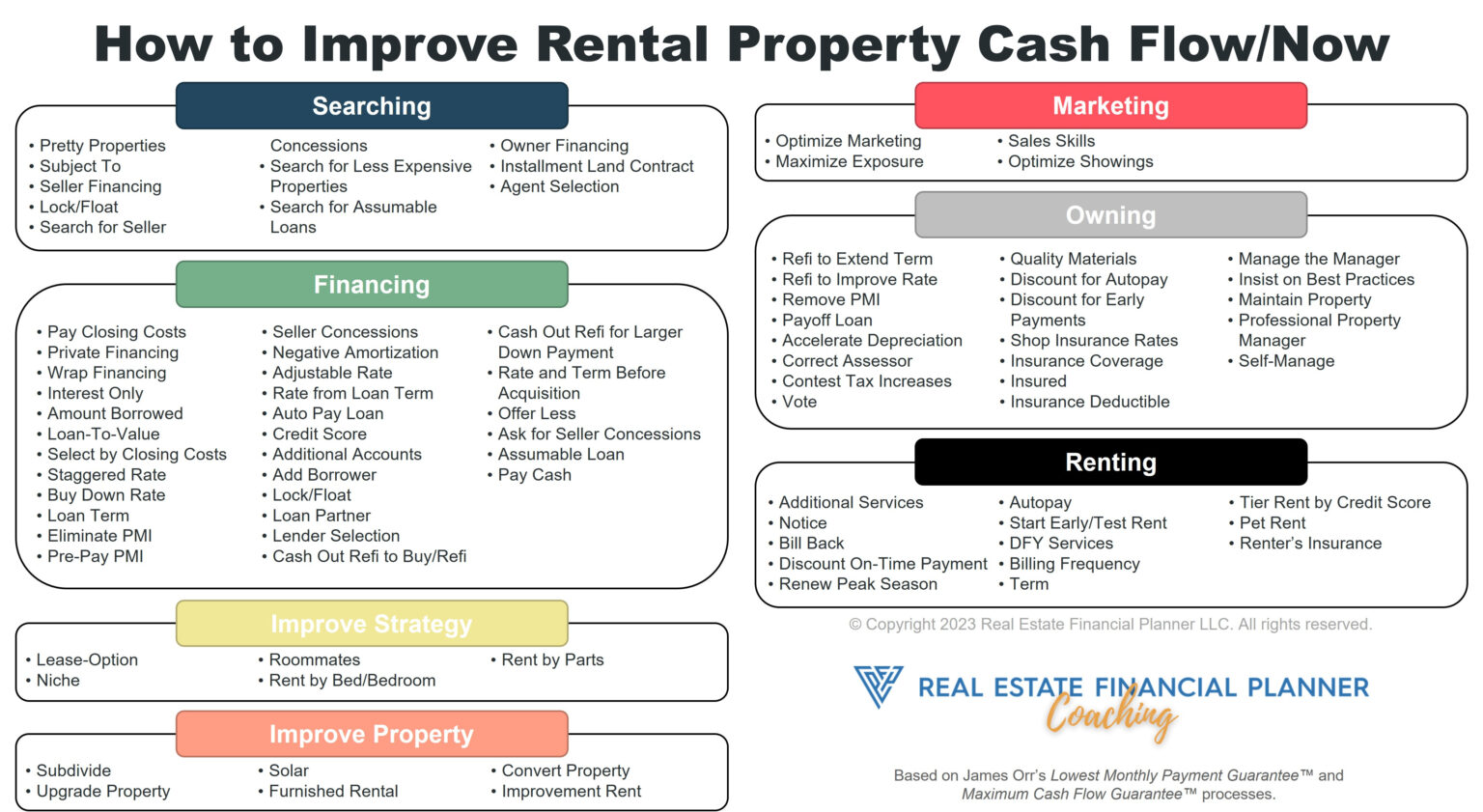
Ever felt like deciphering a secret code when trying to understand real estate investment financing? You're not alone. The world of real estate is filled with jargon, formulas, and ratios that can make even seasoned investors scratch their heads. Let's unravel one of those mysteries: Debt Service Coverage Ratio (DSCR).
Securing financing for income-producing properties can feel like navigating a minefield. Lenders scrutinize every detail, and the pressure to demonstrate the financial viability of a project can be intense. The risk of rejection or unfavorable loan terms looms large, making it crucial to understand how lenders assess your ability to repay.
The goal of understanding debt service coverage in real estate investment is to gain a clear picture of a property's ability to cover its debt obligations. It helps both investors and lenders assess the financial health of a project and make informed decisions about financing.
This article explored the intricacies of the Debt Service Coverage Ratio (DSCR) in real estate investment. Understanding DSCR is crucial for securing financing and assessing the financial viability of a property. This guide explained what DSCR is, how it's calculated, its target, and why it matters to both investors and lenders. Keep these keywords in mind: Debt Service Coverage Ratio, DSCR, Net Operating Income, NOI, debt service, real estate investment, financing, lenders.
Decoding the DSCR Target
When I first started investing in real estate, DSCR felt like some cryptic requirement imposed by lenders to make my life difficult. I remember presenting a proposal for a small apartment building, confident in my projected rental income. The lender, however, focused intently on the DSCR, and my initial calculation fell short of their minimum requirement. This experience taught me that DSCR isn't just a hoop to jump through; it's a fundamental indicator of a property's financial strength. The target for a DSCR generally sits at 1.2 or higher. This means the property's net operating income (NOI) is at least 20% greater than its total debt service. Lenders use this buffer as a safety net to account for unforeseen expenses or drops in income. A higher DSCR signals a lower risk for the lender, making it more likely that they will approve the loan and potentially offer better terms. The target DSCR can vary depending on the type of property, the lender's risk tolerance, and the overall economic climate. For example, a more stable asset like a well-occupied apartment building in a prime location might have a lower required DSCR compared to a riskier venture such as a development project. Ultimately, the target DSCR reflects the lender's assessment of the risk associated with the loan and the borrower's ability to repay. Understanding the DSCR target and how it impacts loan approval is crucial for every real estate investor seeking financing.
What Exactly is Debt Service Coverage Ratio?
The Debt Service Coverage Ratio (DSCR) is a financial metric used to assess a property's ability to cover its debt obligations. Simply put, it measures whether a property generates enough income to pay off its debts. It is calculated by dividing the property's Net Operating Income (NOI) by its total debt service (principal, interest, lease payments, and sinking fund payments). A DSCR of 1 means the property's NOI is exactly equal to its debt obligations. A DSCR greater than 1 indicates that the property generates more income than required to cover its debt. Lenders use DSCR to evaluate the risk associated with a loan. A higher DSCR implies a lower risk for the lender, as the property is more likely to generate sufficient income to cover its debt payments. Investors also use DSCR to assess the financial health of a property and determine its potential for generating cash flow. The required DSCR can vary depending on the lender, the type of property, and the market conditions. However, a general rule of thumb is that a DSCR of 1.2 or higher is considered healthy. Understanding DSCR is crucial for both investors and lenders in the real estate industry. It provides a valuable tool for assessing risk, making informed investment decisions, and securing financing.
The History and Myths Surrounding DSCR
While the concept of assessing a borrower's ability to repay debt has likely existed for centuries, the formalized use of ratios like DSCR became more prevalent with the growth of modern finance and institutional lending. The need for standardized metrics to evaluate risk led to the widespread adoption of DSCR in the real estate industry. One common myth is that a high DSCR guarantees investment success. While a healthy DSCR is a positive indicator, it doesn't tell the whole story. Factors like property management quality, tenant relations, and market fluctuations can also significantly impact a property's performance. Another myth is that a DSCR below 1 always means disaster. While a DSCR below 1 indicates that the property is not generating enough income to cover its debt, it doesn't necessarily mean immediate foreclosure. The lender might work with the borrower to restructure the loan or explore other options. Understanding the history and dispelling the myths surrounding DSCR is essential for using it effectively as a tool for real estate investment analysis. It is important to consider DSCR in conjunction with other financial metrics and qualitative factors to gain a comprehensive understanding of a property's potential.
Unveiling the Hidden Secrets of DSCR
One "secret" about DSCR is that lenders may manipulate certain aspects of it to their advantage. For instance, they might require higher DSCRs for certain property types or in volatile markets to mitigate their risk. Another subtle point is that DSCR can be influenced by how NOI is calculated. Some lenders might include certain non-operating income items in the NOI calculation, while others might not. This can impact the DSCR and the perceived financial health of the property. Savvy investors need to scrutinize the lender's DSCR calculation methodology and ensure that it aligns with their own understanding of the property's financials. Furthermore, DSCR is not a static number. It can fluctuate over time due to changes in rental income, operating expenses, or interest rates. Regular monitoring of the DSCR is crucial for investors to identify potential problems early on and take corrective action. Finally, understanding the nuances of DSCR allows investors to negotiate better loan terms with lenders. By demonstrating a strong understanding of the ratio and its implications, investors can position themselves as knowledgeable and responsible borrowers, increasing their chances of securing favorable financing.
Recommendations for Real Estate Investment and DSCR
Before investing in a property, conduct a thorough financial analysis, paying close attention to the DSCR. Project future income and expenses realistically to determine if the property can generate a healthy DSCR. Consider conducting sensitivity analysis to assess how changes in rental income, vacancy rates, or operating expenses might impact the DSCR. This will help you understand the property's resilience to market fluctuations. When seeking financing, shop around for the best loan terms and compare DSCR requirements from different lenders. Don't be afraid to negotiate with lenders to achieve a more favorable DSCR. Monitor the DSCR regularly after acquiring the property. Track income and expenses carefully and make adjustments as needed to maintain a healthy DSCR. If the DSCR starts to decline, take proactive steps to increase income or reduce expenses. This might involve raising rents, improving property management, or refinancing the loan. Finally, seek professional advice from real estate consultants, financial advisors, or lenders. They can provide valuable insights and guidance on DSCR and other financial aspects of real estate investing. By following these recommendations, investors can use DSCR effectively to make informed decisions, manage risk, and maximize returns.
Delving Deeper: DSCR and its Components
To fully grasp DSCR, a deeper dive into its components is necessary. Net Operating Income (NOI) represents the property's revenue after deducting operating expenses but before accounting for debt service. Accurately calculating NOI is crucial for a reliable DSCR. This involves carefully considering all sources of income, such as rental income, parking fees, and laundry income, and deducting all operating expenses, such as property taxes, insurance, maintenance, and property management fees. Debt service includes all payments related to the property's debt, including principal, interest, lease payments, and sinking fund payments. It's important to include all debt obligations in the calculation to get an accurate picture of the property's debt burden. The frequency of debt service payments can also impact the DSCR. For example, a property with monthly debt service payments will have a different DSCR than a property with annual debt service payments, even if the total debt service amount is the same. Furthermore, the interest rate on the debt can significantly affect the DSCR. A higher interest rate will increase the debt service, lowering the DSCR. Understanding the relationship between DSCR and its components is essential for making informed investment decisions and managing the property's finances effectively. Investors should carefully analyze the NOI and debt service to ensure that the property can generate a healthy DSCR and meet its debt obligations.
Tips for Optimizing Your DSCR
One key tip is to focus on increasing Net Operating Income (NOI). This can be achieved by raising rents, reducing vacancy rates, or decreasing operating expenses. Consider implementing strategies to attract and retain high-quality tenants, such as offering incentives, providing excellent customer service, or upgrading the property's amenities. Conduct regular market research to ensure that your rents are competitive and reflect the value of your property. Look for opportunities to reduce operating expenses without compromising the quality of the property. This might involve renegotiating contracts with vendors, implementing energy-efficient measures, or improving property management efficiency. Another tip is to carefully manage your debt service. Shop around for the best loan terms and consider refinancing your loan if interest rates decline. Explore options for extending the loan term, which can reduce the monthly debt service payments and improve the DSCR. However, be mindful of the potential impact on the total interest paid over the life of the loan. Finally, consider using creative financing strategies to improve your DSCR. This might involve using seller financing, private money loans, or government-backed loan programs. By implementing these tips, investors can optimize their DSCR, increase their chances of securing financing, and improve the financial performance of their properties.
DSCR and its Relationship with Loan Covenants
Loan covenants are agreements between a borrower and a lender that specify certain conditions that the borrower must meet. Many real estate loans include DSCR covenants, which require the borrower to maintain a minimum DSCR throughout the loan term. Failing to meet the DSCR covenant can trigger a default on the loan, giving the lender the right to take action, such as foreclosing on the property. The specific terms of the DSCR covenant will vary depending on the lender and the loan agreement. However, it typically specifies a minimum DSCR that the borrower must maintain on a quarterly or annual basis. Lenders use DSCR covenants to protect their investment and ensure that the borrower is able to repay the loan. DSCR covenants can also provide an early warning sign of potential financial problems for the borrower. If the DSCR starts to decline, it can indicate that the property is not performing as expected or that the borrower is facing financial difficulties. Investors should carefully review the loan agreement and understand the DSCR covenant before taking out a loan. They should also monitor their DSCR regularly to ensure that they are meeting the covenant requirements. If they anticipate difficulty meeting the DSCR covenant, they should communicate with the lender proactively to explore potential solutions.
Fun Facts About DSCR
Did you know that the DSCR is sometimes referred to as the "Debt Coverage Ratio" or the "Times Interest Earned" ratio? While the specific names might vary, they all refer to the same fundamental concept: measuring a property's ability to cover its debt obligations. Another fun fact is that the required DSCR can vary significantly depending on the location of the property. Properties in high-demand areas with strong rental markets might have lower required DSCRs compared to properties in less desirable areas. The type of property can also impact the required DSCR. For example, a stabilized apartment building might have a lower required DSCR than a development project or a hotel. Furthermore, the lender's risk tolerance plays a crucial role in determining the required DSCR. Some lenders are more conservative and require higher DSCRs, while others are more aggressive and are willing to accept lower DSCRs. Finally, the DSCR is not just used in real estate. It's also used in other industries to assess the financial health of businesses and their ability to repay their debts. Understanding these fun facts about DSCR can help investors appreciate its importance and relevance in the world of finance.
How to Calculate Debt Service Coverage Ratio
Calculating the Debt Service Coverage Ratio (DSCR) is straightforward. The formula is: DSCR = Net Operating Income (NOI) / Total Debt Service. First, you need to determine the property's Net Operating Income (NOI). This is calculated by subtracting operating expenses from total revenue. Operating expenses include property taxes, insurance, maintenance, property management fees, and other costs associated with operating the property. It's important to exclude debt service from operating expenses, as this is what we're trying to measure with the DSCR. Next, you need to calculate the Total Debt Service. This includes all payments related to the property's debt, including principal, interest, lease payments, and sinking fund payments. Once you have both the NOI and the Total Debt Service, you can simply plug them into the formula to calculate the DSCR. For example, if a property has an NOI of $100,000 and a Total Debt Service of $80,000, the DSCR would be 1.25. This means the property generates 25% more income than required to cover its debt obligations. It's important to note that the accuracy of the DSCR depends on the accuracy of the NOI and Total Debt Service calculations. Investors should carefully review their financial statements and ensure that all relevant income and expenses are included in the calculations.
What If Your DSCR Isn't Meeting Expectations?
If your DSCR falls below the lender's required threshold, don't panic. There are several steps you can take to address the situation. First, analyze your income and expenses to identify areas where you can improve your NOI. Look for opportunities to increase rental income, reduce vacancy rates, or decrease operating expenses. Consider implementing strategies to attract and retain high-quality tenants, such as offering incentives, providing excellent customer service, or upgrading the property's amenities. Renegotiate contracts with vendors to reduce operating expenses. Implement energy-efficient measures to lower utility costs. If increasing income or reducing expenses is not enough, consider restructuring your debt. Talk to your lender about refinancing your loan or extending the loan term. This can reduce your monthly debt service payments and improve your DSCR. However, be mindful of the potential impact on the total interest paid over the life of the loan. As a last resort, consider selling the property. If you are unable to improve your DSCR and meet your debt obligations, selling the property might be the best option to avoid foreclosure. By taking proactive steps and exploring all available options, you can mitigate the impact of a low DSCR and protect your investment.
Listicle of Real Estate Investment Debt Service Coverage
Here are 5 key takeaways about Debt Service Coverage Ratio (DSCR) in real estate investment: 1. DSCR measures a property's ability to cover its debt obligations. It's calculated by dividing Net Operating Income (NOI) by Total Debt Service.
2. Lenders use DSCR to assess the risk associated with a loan. A higher DSCR implies a lower risk for the lender.
3. Investors use DSCR to assess the financial health of a property and determine its potential for generating cash flow.
4. The required DSCR can vary depending on the lender, the type of property, and the market conditions. A general rule of thumb is that a DSCR of
1.2 or higher is considered healthy.
5. Optimizing your DSCR involves increasing NOI and managing your debt service effectively. This can be achieved by raising rents, reducing vacancy rates, decreasing operating expenses, and refinancing your loan. Keeping these points in mind will help you navigate the world of real estate financing and make informed investment decisions. Understanding and utilizing the DSCR is an important step to ensuring success in real estate investment.
Question and Answer of real estate investment debt service coverage
Question 1: What happens if my DSCR falls below 1?
Answer: A DSCR below 1 indicates that the property is not generating enough income to cover its debt obligations. This could lead to financial difficulties and potentially default on the loan. It's crucial to take action to improve your DSCR if it falls below 1.
Question 2: How can I improve my DSCR?
Answer: You can improve your DSCR by increasing Net Operating Income (NOI) or decreasing Total Debt Service. This can be achieved by raising rents, reducing vacancy rates, decreasing operating expenses, or refinancing your loan.
Question 3: What is a good DSCR for a commercial property?
Answer: A DSCR of 1.2 or higher is generally considered healthy for a commercial property. However, the required DSCR can vary depending on the lender, the type of property, and the market conditions.
Question 4: Is DSCR the only factor lenders consider when evaluating a loan application?
Answer: No, DSCR is not the only factor. Lenders also consider other factors such as the borrower's credit history, the property's location, the market conditions, and the overall financial health of the borrower.
Conclusion of real estate investment debt service coverage
Understanding the Debt Service Coverage Ratio (DSCR) is essential for success in real estate investment. It's a crucial tool for assessing the financial viability of a property and securing financing. By mastering the art of calculating, interpreting, and optimizing DSCR, investors can make informed decisions, manage risk effectively, and maximize their returns in the ever-evolving world of real estate.
Post a Comment