real estate investment adaptive reuse
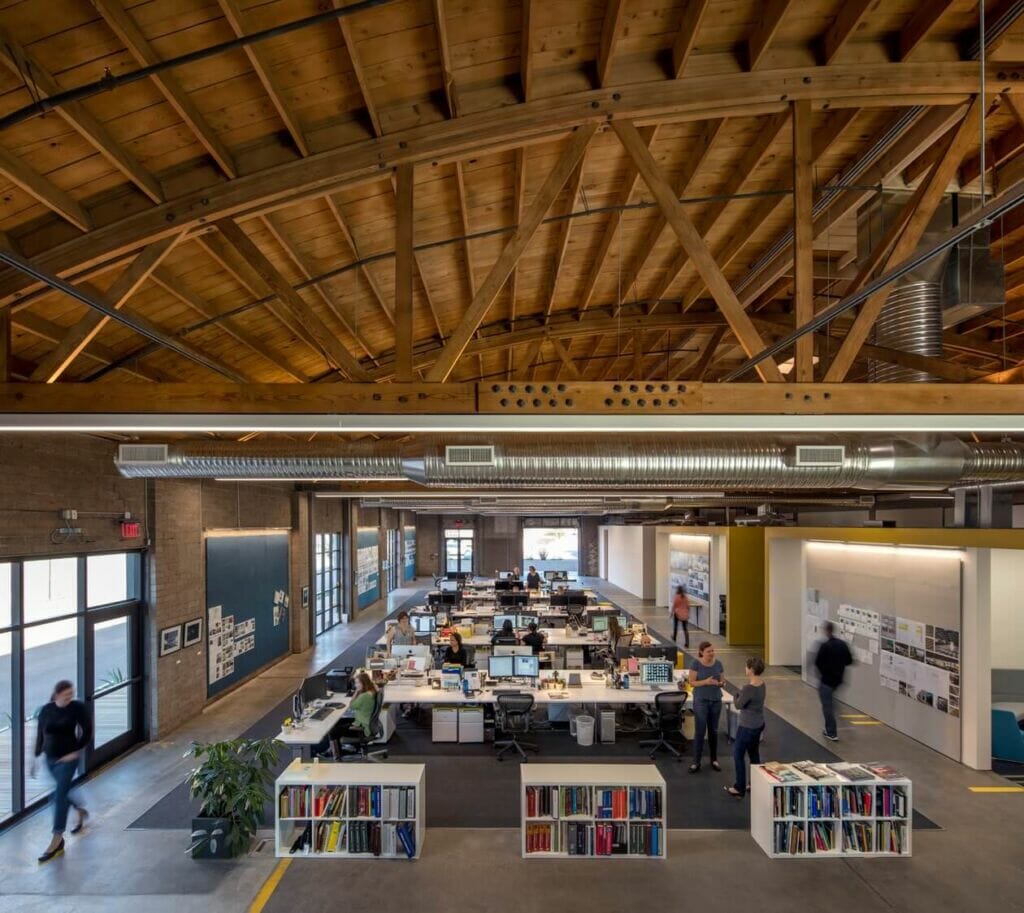
Imagine breathing new life into a forgotten building, transforming a relic of the past into something vibrant and useful for the future. That's the magic of adaptive reuse in real estate investment, and it's more accessible than you might think. Let's dive in!
Embarking on a real estate project, especially one involving older structures, can feel like navigating a maze. Concerns about unexpected costs, regulatory hurdles, and the sheer complexity of blending old and new can quickly dampen enthusiasm.
The goal of real estate investment adaptive reuse is to create value by repurposing existing buildings. It is a sustainable approach that preserves architectural heritage while meeting contemporary needs for housing, office space, retail, or other functions.
This article explores the fascinating world of real estate investment adaptive reuse. We'll uncover what it is, delve into its history, reveal hidden secrets, offer recommendations, and answer common questions. Get ready to discover how you can turn forgotten spaces into thriving assets through careful planning, creative vision, and a commitment to preserving the past while building for the future. Key words you'll encounter include: adaptive reuse, real estate investment, historic preservation, sustainable development, and repurposing.
What is the Purpose of Real Estate Investment Adaptive Reuse?
I remember touring an old textile mill with a friend who was a developer. The place was in rough shape – leaky roof, crumbling brick, pigeons everywhere. Most people would have seen a tear-down. But my friend's eyes lit up. He envisioned apartments, artist studios, maybe a brewery. He saw potential where others saw decay. That's the heart of adaptive reuse. It's about seeing the intrinsic value and untapped possibilities within existing structures. The purpose extends beyond mere profit; it’s about community revitalization, environmental responsibility, and celebrating the stories embedded within our built environment.
Adaptive reuse aims to extend the lifespan of existing buildings by finding new uses for them. Instead of demolition and new construction, which can be resource-intensive and generate significant waste, adaptive reuse re-imagines the purpose of a structure. This could mean turning a school into apartments, a factory into office space, or a church into a community center. The approach considers factors such as the building's structural integrity, architectural character, historical significance, and the surrounding community's needs. A successful adaptive reuse project not only preserves the building but also revitalizes the neighborhood, attracts new businesses, and enhances the quality of life for residents. It's a win-win situation for investors, communities, and the environment.
Real Estate Investment Adaptive Reuse: Definition
Real estate investment adaptive reuse is the process of repurposing existing buildings for uses other than which they were originally designed. It blends preservation with innovation, and profitability with social responsibility. But what does that really mean in practice? It involves carefully assessing a building's existing structure, character, and historical context to determine its suitability for a new use. This assessment informs the design and renovation process, ensuring that the building's unique features are preserved while adapting it to meet the needs of modern tenants or residents.
The investment aspect comes into play as developers and investors seek properties with the potential for adaptive reuse. These properties are often undervalued due to their perceived obsolescence or disrepair. However, with careful planning and execution, they can be transformed into valuable assets that generate attractive returns. Adaptive reuse projects can also qualify for various tax incentives and grants, further enhancing their financial viability. Beyond the financial benefits, adaptive reuse contributes to sustainable development by reducing the environmental impact of construction and preserving cultural heritage.
History and Myth of Real Estate Investment Adaptive Reuse
Adaptive reuse isn't a new concept; humans have been repurposing structures for centuries. Think of Roman amphitheaters becoming fortresses, or medieval castles transforming into stately homes. The modern iteration of adaptive reuse gained traction in the late 20th century as cities grappled with urban decay and a growing awareness of environmental issues. One myth surrounding adaptive reuse is that it's always cheaper than new construction. While this can be true, it's not always the case. Unexpected structural issues, hazardous materials, or complex permitting processes can add significant costs. Another myth is that adaptive reuse is only suitable for historic buildings. While preserving historic structures is a key aspect, adaptive reuse can also be applied to more recent buildings that have become obsolete or underutilized. The key is to identify the intrinsic value and potential of the existing structure.
The history of adaptive reuse showcases some remarkable transformations. Abandoned factories have become trendy loft apartments, historic train stations have been converted into vibrant marketplaces, and former schools have been reborn as community centers. These projects not only preserve architectural heritage but also breathe new life into neighborhoods, creating a sense of place and community identity. However, it's important to approach adaptive reuse with a realistic understanding of the challenges involved. Careful planning, thorough due diligence, and a skilled team are essential for success. It is also important to realize there are myths surrounding the process of adaptive reuse. It's a delicate balancing act between preserving the past and creating a viable future for the building.
Hidden Secret of Real Estate Investment Adaptive Reuse
The hidden secret of adaptive reuse lies in its ability to unlock value that others overlook. It's about seeing beyond the surface, identifying the inherent character and potential of a building, and understanding how it can be transformed to meet contemporary needs. This requires a creative mindset, a keen eye for detail, and a willingness to embrace the challenges that come with working with existing structures. Another often-overlooked aspect is the positive impact that adaptive reuse can have on the surrounding community. By preserving local landmarks and creating new spaces for businesses and residents, adaptive reuse projects can revitalize neighborhoods and foster a sense of pride and belonging.
The "secret" also involves understanding the intricacies of building codes, zoning regulations, and historic preservation guidelines. Navigating these complexities can be daunting, but it's essential for ensuring the project's success. Developers who master this knowledge gain a competitive advantage, allowing them to identify undervalued properties and unlock their full potential. Furthermore, adaptive reuse offers a unique opportunity to tell a story. By preserving the building's history and incorporating it into the new design, developers can create a sense of authenticity and character that is often lacking in new construction. This can be a powerful marketing tool, attracting tenants and residents who value the building's unique identity.
Recommendation of Real Estate Investment Adaptive Reuse
My recommendation for anyone considering real estate investment adaptive reuse is to start with thorough research. Understand the local market, identify potential properties, and assess their suitability for adaptive reuse. Engage with experienced architects, engineers, and contractors who have a proven track record in this field. Develop a detailed project plan that outlines the scope of work, budget, and timeline. Obtain the necessary permits and approvals from local authorities. Finally, be prepared for unexpected challenges and be flexible in your approach. Adaptive reuse projects often encounter unforeseen issues, so it's important to have a contingency plan in place.
Furthermore, I would strongly recommend prioritizing sustainability in the design and construction process. Incorporate energy-efficient systems, use recycled materials, and preserve as many of the building's original features as possible. This will not only reduce the project's environmental impact but also enhance its market appeal. Adaptive reuse projects that are designed with sustainability in mind often attract tenants and residents who are environmentally conscious. Consider exploring available tax credits and incentives for historic preservation or green building. These financial benefits can significantly improve the project's profitability. Remember, adaptive reuse is not just about preserving buildings; it's about creating vibrant, sustainable communities.
Understanding Zoning Regulations
Navigating zoning regulations can be one of the most challenging aspects of adaptive reuse projects. Zoning laws dictate how land can be used, and they often restrict the types of activities that are permitted in certain areas. When repurposing a building, it's crucial to ensure that the proposed new use complies with existing zoning regulations. This may require obtaining a variance or rezoning the property, which can be a lengthy and complex process. Working with a knowledgeable land-use attorney or consultant can be invaluable in navigating these hurdles.
Furthermore, it's important to understand the specific zoning requirements related to historic preservation. Many cities have designated historic districts with strict guidelines for building alterations and renovations. These guidelines are intended to protect the architectural character of the historic district, but they can also add complexity to adaptive reuse projects. It's essential to work closely with the local historic preservation commission to ensure that the proposed changes are in compliance with the guidelines. Failure to do so can result in costly delays and penalties. Understanding these regulations is crucial for a successful adaptive reuse project, as they often involve navigating complex legal and bureaucratic procedures.
Tips of Real Estate Investment Adaptive Reuse
One key tip is to focus on preserving the building's character. Highlight its unique architectural features, and incorporate them into the new design. This will not only enhance the building's aesthetic appeal but also tell a story about its history. Another tip is to be creative with space planning. Think outside the box when it comes to reconfiguring the building's interior. Consider adding mezzanines, lofts, or other innovative design elements to maximize the usable space. It’s also important to conduct a thorough environmental assessment to identify any potential hazards, such as asbestos or lead paint.
These issues can be costly to remediate, so it's important to factor them into the project budget. Don't underestimate the power of good lighting. Proper lighting can transform a dark and dreary space into a bright and inviting one. Consider using natural light as much as possible, and supplement it with energy-efficient lighting fixtures. Engage with the local community. Get their feedback on the proposed project, and incorporate their ideas into the design. This will help to build support for the project and ensure that it meets the community's needs. Adaptive reuse is an art, and mastering these tips can significantly enhance your project's success.
The Importance of Sustainable Design
In today's world, sustainable design is not just a trend; it's a necessity. When embarking on an adaptive reuse project, incorporating sustainable design principles can yield significant benefits, both for the environment and the bottom line. One of the key principles of sustainable design is energy efficiency. This can be achieved through various measures, such as installing energy-efficient windows and insulation, using high-efficiency HVAC systems, and incorporating renewable energy sources like solar panels. By reducing energy consumption, you can lower operating costs and minimize the building's carbon footprint.
Another important aspect of sustainable design is water conservation. Install low-flow fixtures, such as toilets and showerheads, to reduce water usage. Consider implementing rainwater harvesting systems for irrigation or non-potable uses. Using recycled and reclaimed materials is also a crucial element of sustainable design. Reusing existing materials not only reduces waste but also adds character and authenticity to the project. Furthermore, sustainable design promotes healthy indoor air quality. Use low-VOC paints and materials, and ensure proper ventilation to minimize the risk of indoor air pollution. By embracing sustainable design, you can create a building that is not only environmentally friendly but also a healthy and comfortable place to live and work.
Fun Facts of Real Estate Investment Adaptive Reuse
Did you know that the High Line in New York City is a former elevated railway line that has been transformed into a stunning public park? Or that the Tate Modern in London is housed in a former power station? These are just two examples of how adaptive reuse can create unique and inspiring spaces. Another fun fact is that adaptive reuse projects often qualify for historic tax credits, which can significantly reduce the cost of the project. And did you know that adaptive reuse can be a more sustainable option than new construction, as it reduces the amount of waste generated and preserves existing resources? It's amazing to see how old buildings can be given new life and purpose through creative design and thoughtful planning.
Furthermore, adaptive reuse can lead to unexpected discoveries. During renovations, contractors may uncover hidden architectural details or historical artifacts that add to the building's story. These discoveries can be incorporated into the new design, creating a sense of authenticity and character. Adaptive reuse also fosters innovation. Architects and designers are challenged to find creative solutions to repurpose existing spaces, leading to unique and imaginative designs. Finally, adaptive reuse can revitalize neighborhoods, attracting new businesses and residents and creating a sense of community pride. It's a fascinating process that combines history, creativity, and sustainability to create something truly special.
How to Real Estate Investment Adaptive Reuse
The first step is to identify potential properties that are suitable for adaptive reuse. Look for buildings that have architectural character, historical significance, or unique features that can be incorporated into the new design. Conduct a thorough due diligence to assess the building's structural integrity, environmental condition, and zoning regulations. Develop a detailed project plan that outlines the scope of work, budget, and timeline. Engage with experienced professionals, such as architects, engineers, and contractors, who have a proven track record in adaptive reuse projects. Obtain the necessary permits and approvals from local authorities.
Secure financing for the project. Explore various funding options, such as bank loans, private equity, and historic tax credits. Implement the project plan, paying close attention to quality control and cost management. Market the renovated building to potential tenants or buyers. Highlight the building's unique features, historical significance, and sustainable design elements. Manage the property effectively to ensure its long-term success. By following these steps, you can successfully navigate the process of adaptive reuse and create a valuable and sustainable asset.
What if Real Estate Investment Adaptive Reuse
What if we could transform every underutilized building in our cities into vibrant, sustainable spaces? What if we could preserve our architectural heritage while creating new opportunities for businesses and residents? What if we could reduce our environmental impact by repurposing existing resources instead of building new? Adaptive reuse offers a powerful solution to these challenges. By embracing adaptive reuse, we can create more sustainable, resilient, and vibrant communities. It's a win-win situation for investors, communities, and the environment.
Furthermore, adaptive reuse can foster innovation and creativity. By challenging designers and developers to find new uses for existing buildings, we can unlock the potential of our built environment and create unique and inspiring spaces. Adaptive reuse can also contribute to economic development by attracting new businesses and creating jobs. By investing in adaptive reuse, we can create a more sustainable and prosperous future for our cities and towns. Imagine a world where every abandoned building is given new life, where our architectural heritage is preserved, and where our communities thrive. That's the power of adaptive reuse.
Listicle of Real Estate Investment Adaptive Reuse
1. Identify potential properties with architectural character or historical significance.
- Conduct thorough due diligence to assess the building's condition and zoning regulations.
- Develop a detailed project plan outlining the scope of work, budget, and timeline.
- Engage with experienced professionals in adaptive reuse.
- Obtain necessary permits and approvals from local authorities.
- Secure financing through various funding options.
- Implement the project plan, focusing on quality control and cost management.
- Market the renovated building highlighting unique features and sustainability.
- Manage the property effectively for long-term success.
- Prioritize sustainable design to reduce environmental impact.
Question and Answer
Q: What are the benefits of adaptive reuse compared to new construction?
A: Adaptive reuse can be more sustainable, cost-effective, and can preserve architectural heritage, while also creating unique and inspiring spaces.
Q: What are some of the challenges of adaptive reuse projects?
A: Challenges can include unexpected structural issues, environmental hazards, complex permitting processes, and the need to balance preservation with modern needs.
Q: How can I finance an adaptive reuse project?
A: Financing options include bank loans, private equity, historic tax credits, and government grants.
Q: What types of buildings are suitable for adaptive reuse?
A: Almost any type of building can be adapted for reuse, including factories, schools, churches, warehouses, and office buildings.
Conclusion of Real Estate Investment Adaptive Reuse
Real estate investment adaptive reuse is more than just a trend; it's a philosophy. It's about recognizing the inherent value in existing structures, embracing creativity and innovation, and building a more sustainable and resilient future. By understanding the principles, benefits, and challenges of adaptive reuse, you can unlock the potential of forgotten spaces and create thriving assets that benefit both investors and communities.
Post a Comment